
‘Super El Niño’ May Cause 451,000 Additional Deaths Worldwide, 15,800 In India: Study

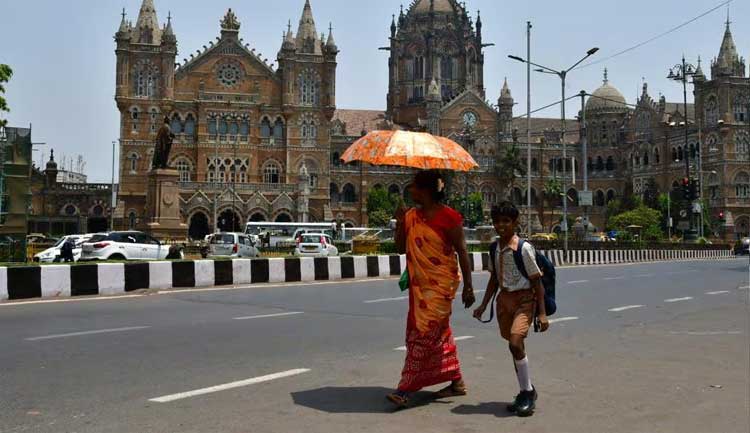
Nearly 451,000 additional deaths could occur worldwide over the next six months due to the prevailing “Super El Niño”, including an estimated 15,800 heat-related deaths in India, according to a University of Chicago study released on Wednesday.
The study estimated that India could see nearly half of its projected additional deaths between December and February, with the impact expected to continue into the country’s summer.
The assessment, by the University of Chicago’s Climate Impact Lab, aims to help policymakers identify regions where emergency measures could potentially save lives.
Emergency Response Needed
The study said directing emergency response and resilience efforts towards high-risk regions could prevent tens of thousands of deaths. Suggested measures include heat warnings, health outreach for vulnerable populations, cooling centres, hydration stations, worker protections and increased healthcare capacity.
According to the study, global land temperatures could average 1.2°C above normal in the coming months as El Niño persists. The climate phenomenon began in June and is expected to continue through the Northern Hemisphere spring.
The researchers said the unusually warm conditions could resemble temperatures that climate change is projected to bring about two decades from now. They estimated that the event could produce 44% more extremely hot days than would normally be expected.
The assessment projects 451,000 additional deaths from September 2026 through February 2027, with the burden expected to fall disproportionately on countries in the Global South.
“The 451,000 deaths projected to occur during the first half of El Niño alone are about 65 times larger than the 6,800 people believed to be dead or missing from the recent Nepal flash flood,” the study said.
Flash floods and debris flows destroyed the Gyirong Port on the China-Nepal border and affected dozens of settlements along a 72-km stretch of Nepal’s Trishuli River on August 26.
Regions Facing Highest Risks
The study identified several regions where the projected mortality burden is particularly high and where immediate interventions could have a significant impact.
Over the next six months, it projects 66,800 additional deaths across Africa’s Sahel region, including Nigeria, Sudan, Niger and Chad. Nigeria alone could account for 31,400 deaths.
Southeast Asia, including the Philippines, Vietnam, Thailand and Cambodia, could see another 19,400 deaths, while Indonesia is projected to record 19,300 additional deaths.
Brazil is expected to be the worst-affected country in South America, with an estimated 13,300 additional deaths linked to El Niño-related heat.
Climate Impact Lab co-founder Michael Greenstone said researchers had previously been able to estimate the effects of temperature changes on crops and could now better assess their potential impact on mortality.
“The result is that we now can estimate that 451,000 people may die in the coming months due to El Niño,” Greenstone said.
He said the study was intended to help governments identify where emergency measures could be deployed immediately to save lives.
‘Postcard From Our Future’
The study described the current El Niño as a “postcard from our future”, arguing that it is bringing temperatures similar to those climate change could produce in the coming decades.
“In this way, it offers a glimpse at what lies ahead without new investments in adaptation,” the study said.
Tamma Carleton, Faculty Head of Research at the Climate Impact Lab and a co-author of the report, said stronger emergency responses and better targeting of resources could still save lives this year.
“However, 20 years from now, once today’s extreme temperatures become the new normal, we do not want to be in a constant state of emergency,” Carleton said.
She called for resources to be mobilised now to develop, deploy and assess preparedness and planning measures that could reduce climate-related deaths in the years ahead.
Comments are closed.