
$6 billion frozen funds for nuclear inspections: What US seeks from first Iran peace talks

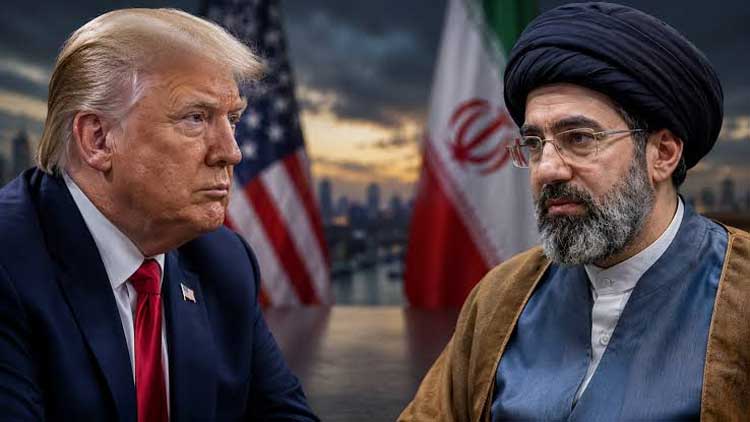
After an initial delay, US Vice President JD Vance is traveling to Switzerland for the first round of negotiations with Iran aimed at strengthening a fragile peace agreement and addressing Tehran’s nuclear programme and economic restrictions.
The talks, expected to begin on Sunday, are part of a 60-day diplomatic window created by an interim agreement signed by US President Donald Trump and Iranian President Masoud Pezeshkian.
According to reports, Washington wants the first round to conclude with Iran allowing inspectors from the United Nations to visit nuclear facilities that were previously targeted in strikes by the US and Israel.
In return, the US is reportedly considering allowing Tehran access to some frozen funds, beginning with a $6 billion account held in Qatar, which would be used for humanitarian purchases.
US and Pakistan delegations head to Switzerland
Vance left Washington on Saturday and is expected to stay in Switzerland for only a few days.
“I think we’re going to hopefully make progress on the nuclear issue and make progress on the Lebanon ceasefire issue,” Vance told reporters before his departure.
Pakistan, which helped mediate the interim agreement, is also sending senior officials. Prime Minister Shehbaz Sharif and Army Chief Field Marshal Asim Munir traveled to Switzerland for the talks.
Pakistan’s foreign ministry said Islamabad would continue supporting implementation of the understandings reached between Washington and Tehran.
Iran’s delegation includes parliament speaker Mohammad Bagher Ghalibaf, Foreign Minister Abbas Araghchi and central bank governor Abdolnaser Hemmati, according to Iranian state media.
First round aimed at creating negotiation framework
The initial talks are expected to focus on creating a structure for longer negotiations rather than immediately finalising a full agreement.
Regional sources said Washington hopes Iran’s invitation to UN nuclear inspectors would be an early confidence-building step.
The last reported visit by UN inspectors to Iranian nuclear sites took place in June 2025.
Vance expressed cautious optimism, saying that despite negative headlines, the situation appeared to be improving and tensions were easing.
Netanyahu factor raises concerns
A US intelligence assessment has reportedly warned that Israeli Prime Minister Benjamin Netanyahu could complicate the talks due to domestic political pressure over the conflict in Lebanon.
Reports said Netanyahu faces pressure to maintain military operations against Hezbollah, an Iran-backed group, and that continued Israeli presence in Lebanon could strain both the ceasefire and relations with Washington.
Israeli officials said military actions in Lebanon were aimed at protecting Israeli citizens from Hezbollah attacks.
US officials have expressed doubts over whether all sides will maintain their ceasefire commitments.
Strait of Hormuz dispute adds pressure
Despite the interim agreement, tensions remain over the Strait of Hormuz, one of the world’s most important oil shipping routes.
Iran earlier claimed it had closed the waterway in response to Israeli actions in Lebanon and accused Washington of failing to uphold its commitments.
The US disputed the claim, saying commercial shipping continued through the strait.
Trump said there would be no tolls on ships passing through Hormuz during the 60-day ceasefire period, but warned that the US could impose charges later if negotiations collapse.
The dispute highlights the challenges facing negotiators as they attempt to turn the temporary ceasefire into a broader and lasting agreement.
Comments are closed.