
Harvard Warns International Students Amid Escalating U.S. Immigration Scrutiny

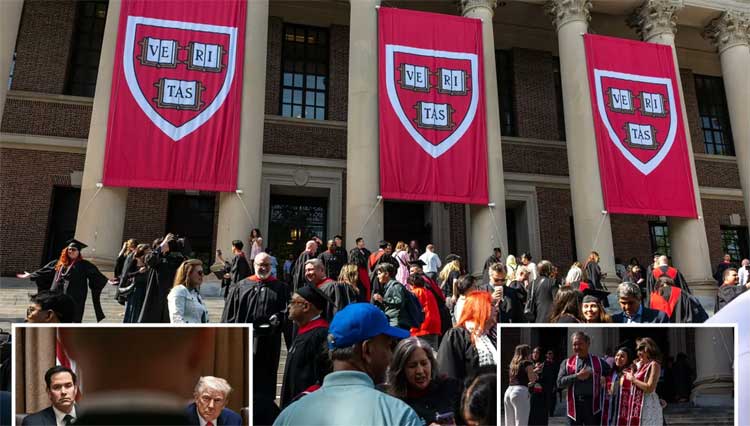
Facing intensifying immigration enforcement and rising digital privacy concerns, Harvard University has issued a detailed advisory to its international student body.
The guidance—shared in a closed-door session hosted by the Harvard International Office and the Harvard Law School’s immigration support team—comes after the university secured a preliminary court injunction against the Trump administration’s attempt to restrict foreign student enrollment.
The advisory outlines practical, high-stakes recommendations that international students should follow to minimize legal and logistical complications when traveling to the U.S. Here are six key takeaways:
1. Avoid Logan International Airport if Possible
Students were cautioned to avoid Boston’s Logan International Airport, where reports of heightened immigration scrutiny—particularly for students from Iran—have surfaced. While not a formal ban, Harvard suggested using major international hubs like JFK (New York), Chicago O’Hare, or LAX (Los Angeles), which see higher volumes of international traffic and may offer smoother entry experiences.
Harvard Law School attorney Jason Corral noted that although no airport is definitively “safer,” anecdotal evidence suggests that Logan has presented more difficulties.
2. Expect Device Searches and Social Media Scrutiny
The advisory underscored the growing role of digital surveillance in immigration vetting. U.S. Customs and Border Protection (CBP) officers may inspect phones, laptops, and tablets at the border. The State Department may also screen publicly visible social media posts during visa processing.
Harvard urged students to be cautious about politically sensitive content, particularly criticism of U.S. foreign policy, pro-Palestinian activism, or any commentary perceived as antisemitic or anti-American. Such posts, even if years old, could raise red flags.
3. Do Not Wipe Your Devices Before Travel
Though it may seem like a prudent privacy measure, Harvard warned against resetting or wiping digital devices before travel. This could appear suspicious to border agents and lead to extended questioning.
Instead, students should bring only essential electronics, log out of unnecessary accounts, and ensure minimal sensitive content is stored on devices. “Discretion is important,” the advisory emphasized, “but transparency matters just as much.”
4. Disclose Any Past Legal Encounters
Harvard urged students to proactively disclose any prior legal incidents, even minor ones, as they may be treated more seriously under U.S. law. Arrests, citations, or unresolved legal matters could complicate entry and should be reviewed with legal counsel ahead of travel.
Students were reminded that what is considered minor in their home countries may be viewed more gravely by U.S. immigration officers.
5. Extra Precautions for Iranian and Chinese Students
Amid U.S. geopolitical tensions with Iran and China, students from these countries—especially those studying STEM or AI fields—were advised to exercise additional caution. Harvard recommended keeping travel documents, academic records, and research materials organized and easily accessible.
While no official blacklist exists, anecdotal reports suggest smoother processing at JFK, O’Hare, and LAX compared to Logan.
6. Context: Harvard vs. the Trump Administration
The advisory reflects Harvard’s ongoing legal and political clash with the Trump administration. Over the past year, the university has faced intensified scrutiny over its admissions policies, alleged ideological bias, and tax-exempt status. More than $2.6 billion in federal research funding has been pulled.
The preliminary injunction against a proposed ban on foreign student enrollment offers only temporary protection. Harvard’s advisory makes clear: the legal and political landscape remains volatile, and students must take proactive steps to protect themselves in the current climate.
Comments are closed.