
How Climate Change Is Reshaping Avalanches Worldwide

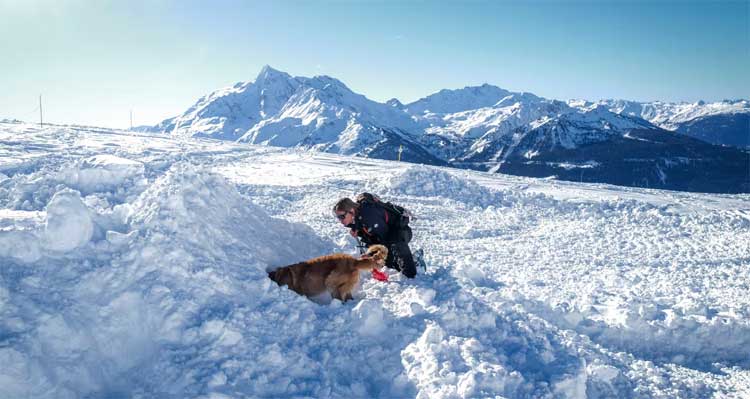
As global temperatures rise, the world’s mountains are undergoing rapid and dramatic change.
Among the most dangerous consequences is the transformation of avalanches—how they form, how often they occur, and how destructive they can be. Once considered a predictable winter hazard, avalanches are becoming more erratic and harder to forecast in a warming climate.
Warmer Winters, Unstable Snowpacks
Avalanches occur when layers of snow become unstable and suddenly slide down a mountainside. Traditionally, cold and consistent snowfall created relatively stable snowpacks. But climate change is disrupting this balance.
Rising temperatures are causing more frequent cycles of melting and refreezing. These cycles create weak layers within the snowpack, increasing the likelihood of sudden collapses. In many mountain regions, snow is falling later, melting earlier, and experiencing rain instead of snowfall—conditions that weaken snow structure and trigger avalanches.
More Rain, More Dangerous Avalanches
One of the most significant shifts is the increase in rain-on-snow events. Rain infiltrates the snowpack, adding weight and reducing cohesion between snow layers. This can trigger wet-snow avalanches, which are often heavier and more destructive than traditional dry-snow avalanches.
Scientists have observed that wet avalanches are becoming more common at higher elevations, where temperatures were once consistently below freezing.
Avalanches at Higher Altitudes and New Locations
As the freezing line rises, snow is becoming less stable even in high-altitude zones. Areas that historically experienced dry, powder avalanches are now seeing wet and mixed avalanches. In some regions, avalanches are occurring in places where they were once rare, threatening new communities, infrastructure, and турист routes.
Mountain ranges in Europe, North America, and Asia—including the Himalayas—are reporting changing avalanche patterns, with events occurring outside the traditional winter season.
Longer Avalanche Seasons
Climate change is also extending avalanche seasons. Instead of being confined to mid-winter, avalanches are now happening in early autumn and late spring. Melting glaciers and permafrost thaw are destabilizing mountain slopes, sometimes triggering avalanches mixed with rock and ice—known as rock-ice avalanches.
These hybrid avalanches can travel long distances and cause catastrophic damage to villages, roads, and hydropower projects.
Challenges for Forecasting and Safety
Avalanche forecasting relies on historical weather patterns and snow behavior. But with climate change altering these patterns, predicting avalanches is becoming more complex. Traditional models are less reliable as snowpacks behave in unfamiliar ways.
This poses major risks for:
-
Skiers and mountaineers
-
Mountain communities
-
Infrastructure projects such as roads, tunnels, and dams
-
Tourism industries dependent on winter sports
A Growing Threat to Mountain Regions
In the Himalayas, Andes, Alps, and Rockies, climate-driven avalanches are increasingly threatening people and infrastructure. In India and Nepal, avalanches have impacted military posts, trekking routes, and hydropower projects. Europe has seen unusual avalanche activity during warm winters, while North America reports more springtime and wet avalanches.
What Can Be Done?
Experts say adaptation is crucial. This includes:
-
Improved avalanche monitoring and early-warning systems
-
Updating hazard maps based on new climate data
-
Better construction standards in mountain regions
-
Public awareness and training for mountain travelers
However, scientists stress that reducing greenhouse gas emissions remains the most effective long-term solution to limit these changes.
Bottom Line
Climate change is not just increasing temperatures—it is fundamentally reshaping how avalanches behave. As mountains warm, avalanches are becoming less predictable, more frequent in unusual seasons, and potentially more destructive. For millions living in or visiting mountainous regions, understanding this evolving risk is becoming a matter of safety and survival.
Comments are closed.