
Iran’s Hormuz toll plan breaches law, maritime norms

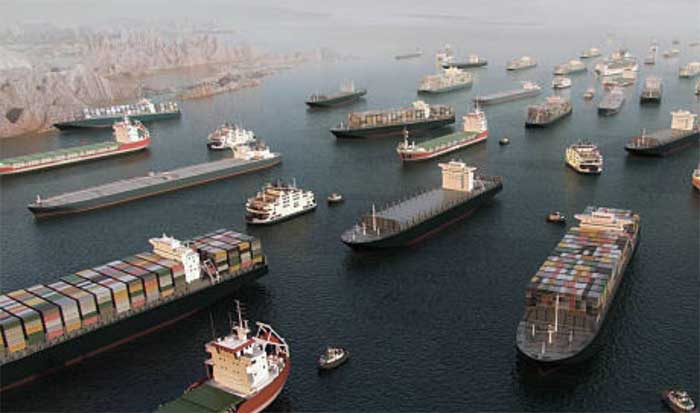
US President Donald Trump has warned Iran against imposing tolls on commercial vessels passing through the Strait of Hormuz, arguing that such charges violate international maritime law, particularly provisions under the UN Convention on the Law of the Sea (UNCLOS).
At the centre of the dispute is Tehran’s reported move to demand up to $2 million in transit fees from ships using the strategic waterway—one of the world’s most critical energy corridors. The strait, a key artery for nearly 20% of global oil and gas supplies, has increasingly become a flashpoint between Washington and Tehran.
Under Article 38 of UNCLOS, all ships and aircraft are guaranteed the right of “transit passage” through international straits, ensuring freedom of navigation without interference. Article 44 further mandates that such passage must not be impeded by bordering states. While Iran and Oman hold sovereignty over their respective territorial waters in the strait, that sovereignty is limited by these provisions.
Iran signed UNCLOS in 1982 but never ratified it, meaning it is not formally bound by the treaty. However, legal experts note that many of its principles—such as the 12 nautical mile territorial sea limit—are widely accepted as customary international law, which still obligates states to allow unimpeded passage through international waterways.
Maritime law specialists argue that even outside UNCLOS, Iran cannot legally charge tolls in a natural strait used for global navigation. “This is not a man-made canal—it is an international waterway,” one expert noted, warning that allowing such a precedent could embolden other nations to impose similar charges in contested regions.
During the recent conflict, Iran has used the Strait of Hormuz as leverage, effectively turning it into a choke point. The waterway is just 21 nautical miles wide at its narrowest, with Iranian and Omani territorial waters overlapping—making cooperation essential for safe passage.
Although the International Maritime Organization’s traffic separation scheme has long regulated tanker movement through the strait, Iran has recently introduced a parallel corridor reportedly controlled by its Revolutionary Guard, allowing passage only to “approved” vessels. This move has drawn criticism from global shipping bodies and heightened concerns over the security of maritime trade.
Despite a ceasefire announcement, restrictions remain in place, with reports indicating that only a limited number of Iranian vessels have been allowed to pass. The disruption has already driven up global energy prices and rattled markets, with analysts warning of prolonged economic fallout if normal shipping is not restored.
Comments are closed.