
India’s LPG production surges to nearly 60%, up from 40% in under a month

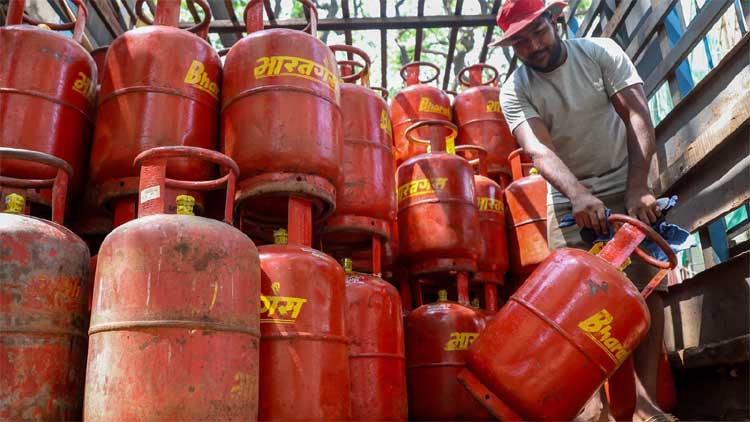
India’s domestic production of liquefied petroleum gas (LPG) has risen sharply to “close to 60%” of national demand, up from about 40% in mid-March, the petroleum ministry said on Friday.
Providing an update on the energy situation, joint secretary Sujata Sharma said the country has adequate crude inventories and refineries are running at optimal capacity. “Domestic LPG production has increased and it is close to 60% of our need right now,” she noted.
India’s total LPG consumption in 2025–26 stood at 33.21 million tonnes (MT), but monthly demand dipped sharply in March due to supply disruptions triggered by the West Asia conflict. Consumption fell from 3.012 MT in January and 2.822 MT in February to 2.379 MT in March—a drop of over 26%.
Before the conflict, India relied on imports for around 60% of its LPG needs, with a significant share coming from Qatar. Supplies were hit after Iran disrupted transit through the Strait of Hormuz and targeted key infrastructure such as Ras Laffan.
In response, the government prioritised household consumption—ensuring uninterrupted supply to over 332 million homes—while curbing supplies to commercial users. Refineries were also directed to boost LPG output, even at the cost of petrochemical production.
Imports likely to rebound
Prospects for imports have improved following a two-week pause in hostilities and assurances from Qatar on continued supply. Petroleum minister Hardeep Singh Puri, currently on a visit to Doha, held talks with Saad Sherida Al-Kaabi, who reaffirmed Qatar’s commitment as a reliable energy partner.
Puri also conveyed messages of solidarity from Prime Minister Narendra Modi to Qatar’s leadership, including the Amir Sheikh Tamim bin Hamad Al Thani and Prime Minister Sheikh Mohammed bin Abdulrahman Al Thani.
Both sides reviewed the full spectrum of bilateral ties—ranging from energy and trade to investment and people-to-people relations—and expressed hope for an early restoration of peace and stability in the region.
They also welcomed the April 8 ceasefire, stressing the need to quickly restore normal global energy flows and minimise further disruption to markets.
Comments are closed.