

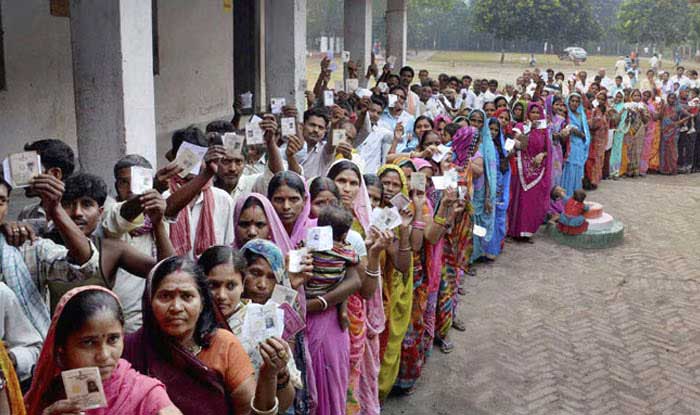
Polling for the first phase of the West Bengal Assembly Elections 2026 began amid tight security across 152 constituencies in 16 districts, with a voter turnout of 18.76% recorded till 9 am. West Midnapore saw the highest turnout at 20.51%, while Malda recorded the lowest at 16.96%.
More than 36 million voters are eligible to cast their ballots for 1,478 candidates, including 167 women, in this phase. Voting commenced hours after reports of clashes surfaced from parts of the state. In Murshidabad, violence was reported in Domkal and Nowda, where crude bombs were allegedly hurled and at least four people were injured in a clash between supporters of the Trinamool Congress and the Communist Party of India (Marxist). In Cooch Behar’s Sitalkuchi, a leader of the Bharatiya Janata Party was injured.
Some voters in Raipur village in Domkal alleged they were threatened with firearms and prevented from heading to polling booths, prompting police intervention. Election officials, however, said voting was largely peaceful and that reports had been sought from districts where disturbances were reported.
The second phase of polling for the remaining 142 seats will be held on April 29, with counting scheduled for May 4.
Chief Minister Mamata Banerjee is seeking a fourth consecutive term for the TMC, while the BJP is aiming to unseat the ruling party. The Congress and Left parties are also attempting a political comeback after a poor performance in the previous election.
In the 2021 elections, the TMC had won 92 of the 152 seats that are voting in this phase, while the BJP secured 59, with one seat going to an Independent.
Prime Minister Narendra Modi urged voters, especially youth and women, to participate enthusiastically, calling it a “festival of democracy.” The TMC, in a message to voters, appealed for free and fearless voting, urging people to protect the state’s identity and continue its development trajectory.
Security arrangements remain extensive, with over 2,400 companies of central paramilitary forces deployed. Authorities have implemented 100% webcasting at polling stations, alongside mobile surveillance units and a central control room monitoring live feeds to ensure smooth conduct of the voting process.
Comments are closed.