
‘$20,000 US visa bond’ could widen to more countries, sparking tourism industry concerns

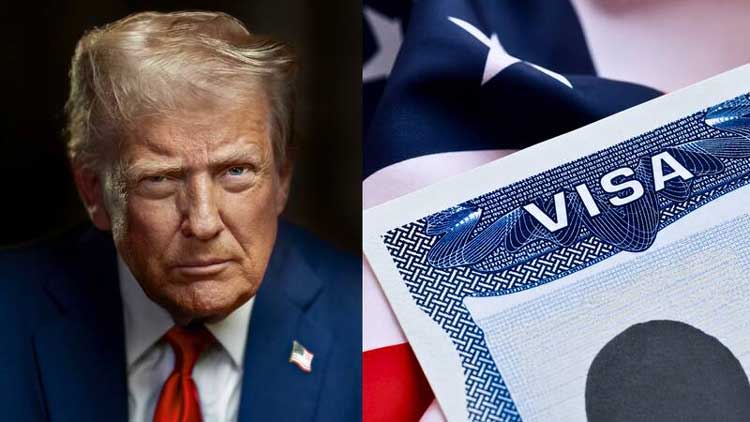
The Trump administration’s controversial US visa bond programme could be expanded beyond the 50 countries currently covered, raising concerns within the American travel industry that the policy could discourage international visitors and hurt the wider economy.
The programme, made permanent by the US State Department this month after being introduced as a pilot in August 2025, allows consular officers to require certain applicants for B-1 business and B-2 tourist visas to post refundable bonds of up to $20,000.
The bond amounts under the permanent programme are set at $10,000, $15,000 or $20,000, depending on the applicant and the consular officer’s determination. The deposit can be forfeited if a traveller overstays or violates the conditions of their US immigration status.
Travel industry raises alarm
Geoff Freeman, president and CEO of the US Travel Association, said he had heard indications that the programme could eventually be extended to additional countries.
Freeman warned that a broader rollout could have an “extraordinarily detrimental effect” on the US travel industry and economy, particularly at a time when international travel to the country is already facing challenges.
The association argues that requiring visitors to place up to $20,000 with the US government could act as a major financial deterrent, especially for travellers who have to cover the cost months before their trip.
Visa issuance plunged during pilot
The Trump administration has defended the programme as an immigration-enforcement measure. During the pilot period, the government reported an 83% decline in visa issuance among applicants from the targeted countries and a sharp reduction in visa overstays.
However, the travel industry sees the fall in visa issuance as a warning that the policy may also be preventing legitimate tourists and business travellers from visiting the United States.
The concern comes as overall international travel to the US has weakened. Overseas travel to the country was down 4.3% year-to-date through June, according to preliminary figures cited by the US Travel Association. Travel from Canada was down 25%, while travel from Asia remained significantly below 2019 levels.
What happens if the programme expands?
The current list covers 50 countries, predominantly in Africa, with additional countries in Asia, Latin America and the Caribbean. India is not among the countries currently covered by the programme.
An expansion could therefore affect a much larger pool of travellers if Washington decides to include additional countries with high visa-overstay rates or other concerns identified by the administration.
For the US tourism sector, the timing is particularly sensitive. Hotels, airlines, restaurants, attractions and other businesses depend heavily on international visitors, while policymakers are hoping major global events, including the 2026 FIFA World Cup, will boost tourism.
The debate therefore pits the administration’s goal of strengthening immigration compliance against concerns that imposing a potentially $20,000 financial barrier could make the US a less attractive destination for international travellers.
The travel industry is urging the administration to focus on policies that encourage visitors rather than discourage them, warning that a wider visa bond requirement could ultimately weigh on tourism revenues, visitor spending and the broader US economy.
Comments are closed.