
Javelin deal to deepen India-US defence ties, but tech transfer hurdle remains

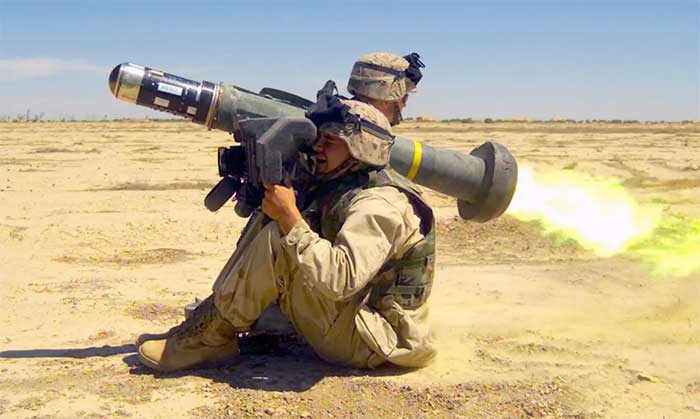
US Ambassador to India Sergio Gor has highlighted the growing India-US defence partnership while announcing India’s planned procurement of the Javelin anti-tank missile system and hinting at possible co-production. However, the announcement has also brought renewed attention to delays in US approvals for Indian defence purchases through the Foreign Military Sales (FMS) route.
India decided to acquire 16 Block 1 Javelin launch units along with 64 FGM-148F anti-tank guided missiles soon after Operation Sindoor under the emergency procurement process. The deal, valued at around ₹292 crore, was expected to be completed within a year.
However, the contract had to be extended by India’s Defence Ministry after approval through the FMS route was delayed by the US Congress. The Javelin purchase was eventually cleared this month, allowing Ambassador Gor to formally announce the deal.
The Javelin has a long history in discussions surrounding India-US defence cooperation. The system was first offered to India for technology transfer in 2010 under the Next Steps in Strategic Partnership (NSSP) framework. However, plans for co-production did not progress after the US declined to share its seeker technology under a proposed 100% transfer-of-technology arrangement.
The episode also highlights the difficulties India has faced in developing an indigenous alternative. At the time, the Defence Research and Development Organisation (DRDO) had informed the government that its NAG anti-tank guided missile system was ready and argued that India did not need to procure either the Javelin or Israel’s Spike system.
However, the indigenous programme did not deliver the promised extended-range capability within the expected timeframe. India subsequently turned to the Israeli Spike system, procuring hundreds of missiles through emergency procedures after Chinese People’s Liberation Army troops began transgressions in eastern Ladakh in May 2020.
Ambassador Gor’s indication that Javelin could eventually see co-production in India is therefore significant, particularly given the system’s capabilities. But for the India-US defence partnership to move to a deeper level, Washington would need to offer greater technology access, including potentially 100% transfer of technology, in line with India’s push for defence self-reliance under the Atmanirbhar Bharat initiative.
Such technology sharing could help India move beyond being a buyer of advanced US defence systems and become a genuine manufacturing and development partner.
Comments are closed.