
Surendra Koli, Acquitted In Final Nithari Case, Found Dead At Haridwar Tea Stall

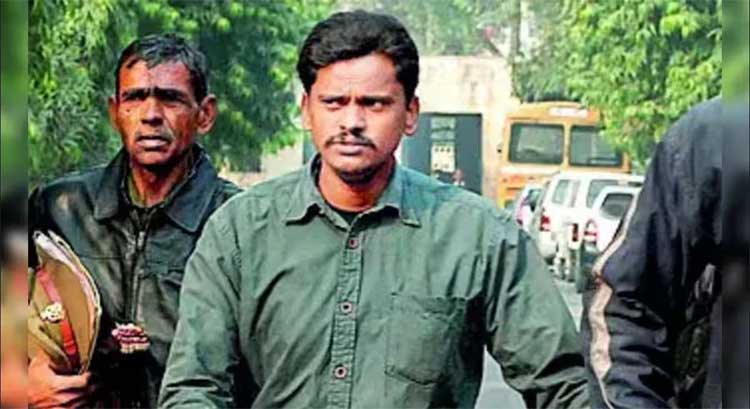
Surendra Koli, who was acquitted in November 2025 in the last remaining case linked to the killings in Noida’s Nithari area, was found dead inside a tea stall in Uttarakhand’s Haridwar under suspicious circumstances, police said on Friday.
Kundan Singh Rana, an Uttarakhand Police officer, said Koli had started operating the tea stall just a few days ago. Koli, a native of Mangrukhal village in Almora, had been living in Haridwar for the past few months after working as a security guard.
Police said no suicide note was recovered from the spot. Koli’s family in Almora has been informed, while an investigation is underway to establish the circumstances surrounding his death.
Surendra Koli’s Acquittal In Nithari Case
In November 2025, the Supreme Court acquitted Koli in the final case against him linked to the Nithari killings, ruling that his 2011 conviction could not be sustained.
The court had previously acquitted him in 12 other cases based on the same confession, evidence and investigation. It said allowing one conviction to remain despite the collapse of the others would amount to a “travesty of justice.”
The Supreme Court stressed that the rule of law must be applied consistently, particularly when the prosecution cases rested on substantially identical evidence.
How The Nithari Killings Came To Light
The Nithari killings came to light in December 2006 after a child reportedly spotted a human hand in a drain between two houses in Nithari. When the drain was dug up, investigators recovered multiple skulls, bones and pieces of children’s clothing.
Police alleged that Koli, who worked as a domestic help at a house owned by businessman Moninder Singh Pandher, lured children and women, murdered them and, in some cases, engaged in cannibalism. Pandher was also accused of complicity and exploitation.
However, the investigation and the evidence presented in court later came under serious scrutiny.
Supreme Court Questioned Investigation And Evidence
By the time investigators reached the site in December 2006, crowds had gathered and evidence at the location had been disturbed. The prosecution relied heavily on the alleged recovery of a knife from beneath a terrace water tank, along with several other articles.
Courts subsequently found several of these recoveries unreliable.
The Central Bureau of Investigation took over the probe in January 2007. The agency relied on Koli’s confession, recorded after weeks in custody, as well as various recoveries made during the investigation.
The Supreme Court noted that the same confession and recovery evidence had already been rejected as unreliable in the other cases.
It said there was “no principled basis” for upholding one conviction when the other 12 convictions had fallen on essentially identical facts and evidence.
Koli’s death in Haridwar now comes months after his acquittal, with police investigating the circumstances in which he was found dead inside the tea stall.
Comments are closed.