
Tata Sons Boardroom Battle: Who’s Who In The High-Stakes Power Struggle

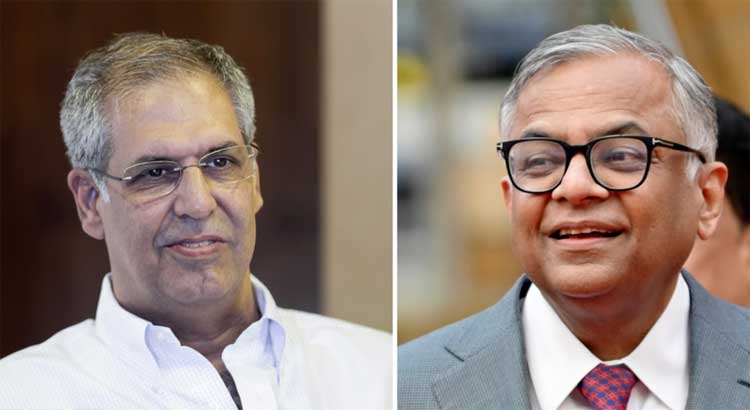
A boardroom dispute at Tata Sons has escalated into a wider conflict over the leadership, governance and future ownership structure of the Tata Group’s holding company.
On September 17, the Tata Sons board approved a fresh five-year term for executive chairman N Chandrasekaran and decided to move ahead with preparations for a potential public listing. Noel Tata, chairman of Tata Trusts and one of the Trusts’ two nominee directors on the board, opposed both moves.
Four directors voted in favour of Chandrasekaran’s reappointment, while Noel Tata voted against it. Tata Trusts, which collectively hold about 66% of Tata Sons, has challenged the validity of the resolution, arguing that the company’s Articles of Association require the affirmative support of the Trusts’ nominee directors.
The dispute has now raised two central questions: how Tata Sons’ governance rules should be interpreted, and whether the holding company should remain privately held or move towards a public listing.
N Chandrasekaran: The Chairman At The Centre Of The Dispute
N Chandrasekaran, widely known as Chandra, has served as executive chairman of Tata Sons since 2017. He joined Tata Consultancy Services (TCS) as a trainee programmer in 1987 and later became its CEO in 2009. He joined the Tata Sons board in 2016 before being appointed group chairman the following year.
His current tenure became contentious in 2026. Chandrasekaran had indicated in August that he would not seek another term when his existing tenure ends on February 20, 2027. Tata Sons later said he agreed to reconsider the decision at the board’s request.
At the September 17 meeting, the board approved another five-year term. Noel Tata voted against the resolution, while the other participating directors backed it. Tata Trusts subsequently disputed the validity of the decision.
The board also decided to proceed towards a Tata Sons listing after regulatory developments involving the Reserve Bank of India.
Noel Tata: Opposing The Reappointment And Listing
Noel Tata is chairman of Tata Trusts and a non-executive director on the Tata Sons board. He is also the half-brother of the late Ratan Tata and has held senior positions within the Tata Group, including as chairman of Trent.
In the current dispute, Noel has opposed both Chandrasekaran’s reappointment and the move towards a public listing.
Tata Trusts has argued that Tata Sons’ Articles of Association provide special rights to its nominee directors on certain key decisions. The Trusts say Noel’s opposition meant the required support was absent and that the board could not override that requirement through a casting vote.
The Trusts have also maintained that Tata Sons should remain unlisted and have opposed the board’s decision to move towards an IPO.
Tata Trusts: The 66% Shareholder
Tata Trusts are at the centre of the dispute because they collectively control about 66% of Tata Sons. Their ownership is spread across several individual trusts rather than being held by a single legal entity.
The two largest shareholders among the Trusts are:
- Sir Dorabji Tata Trust — about 27.98%
- Sir Ratan Tata Trust — about 23.56%
Other trusts include the JRD Tata Trust, Tata Education Trust, Tata Social Welfare Trust, MK Tata Trust and Sarvajanik Seva Trust.
The Trusts have argued that the September 17 reappointment resolution did not satisfy the governance requirements contained in Tata Sons’ Articles of Association. They have described the resolution as having no legal effect and said the matter could lead to further legal proceedings.
Shapoorji Pallonji Group: The 18.4% Shareholder
The Shapoorji Pallonji (SP) Group is Tata Sons’ second-largest shareholder, holding about 18.37–18.38%.
The group has backed the idea of listing Tata Sons, providing a position that differs from the one taken by Tata Trusts. The SP Group has also been seeking ways to unlock value from its Tata Sons stake amid its own financing requirements. Recent reports said talks over a proposed partial stake monetisation had stalled, with the group subsequently supporting a public listing.
The group’s stake has also been used as part of refinancing arrangements, giving the question of liquidity added significance.
Venu Srinivasan: The Other Tata Trusts Nominee
Venu Srinivasan is the second Tata Trusts nominee on the six-member Tata Sons board. He is chairman emeritus of TVS Motor Company and has had a long association with the Tata Group.
Unlike Noel Tata, Srinivasan supported Chandrasekaran’s reappointment. The split between the two Trusts nominees is central to the current dispute because Tata Trusts argues that the Articles require affirmative support from its nominee directors for certain decisions.
Saurabh Agrawal: Tata Sons’ Finance Chief
Saurabh Agrawal is an executive director and chief financial officer of Tata Sons. A former investment banker, he has previously worked with Bank of America Merrill Lynch, Standard Chartered and the Aditya Birla Group.
Agrawal joined Tata Sons in 2017 and has been involved in the group’s financial and strategic affairs.
Harish Manwani And Anita George: Independent Directors
The Tata Sons board also includes independent directors Harish Manwani and Anita Marangoly George.
Manwani is a former global chief operating officer of Unilever and former chairman of Hindustan Unilever. George has held senior positions at institutions including the World Bank, International Finance Corporation and Canadian pension fund CDPQ.
Their positions, along with those of the other directors, were relevant to the September 17 board vote that approved Chandrasekaran’s reappointment.
RBI: The Regulatory Issue Behind The Listing Debate
The Reserve Bank of India’s regulatory framework is another major factor in the dispute.
Tata Sons had sought to surrender its registration as a Core Investment Company, but the RBI rejected the request. Tata Sons is therefore subject to the regulatory framework applicable to upper-layer NBFCs, under which a listing requirement applies.
Following the RBI decision, the Tata Sons board decided to proceed towards a public listing rather than continue seeking deregistration.
The listing question is significant because Tata Sons is the principal holding company through which the Tata Group owns stakes in major businesses.
Who Owns Tata Sons?
Tata Trusts collectively hold about 66% of Tata Sons, making them the largest shareholder bloc.
The broad ownership structure is:
| Shareholder | Approximate Stake |
|---|---|
| Tata Trusts | 66% |
| Shapoorji Pallonji Group | 18.38% |
| Tata Group companies | 12.86% |
| Individuals and other entities | 2.87% |
The Trusts’ approximately 66% holding is distributed among multiple trusts, with the Sir Dorabji Tata Trust and Sir Ratan Tata Trust holding the largest individual stakes.
What The Dispute Is About
The current Tata Sons dispute has several overlapping issues:
Chandrasekaran’s tenure: The board approved a fresh five-year term, while Tata Trusts disputes the validity of that decision.
Board voting rights: Tata Trusts argues that its nominee directors have specific rights under Tata Sons’ Articles of Association. The Trusts says a casting vote cannot override those requirements.
Public listing: Tata Sons has decided to move towards a listing following the RBI’s regulatory position, while Tata Trusts has opposed the company becoming publicly listed.
Shareholder liquidity: The SP Group has financial reasons to seek liquidity from its Tata Sons holding and has backed a listing.
The dispute therefore goes beyond the question of one chairman’s tenure. It involves Tata Sons’ governance framework, shareholder rights, regulatory obligations and the future ownership structure of the holding company.
Comments are closed.