
WMO Warns 2026 May Rank Among the Four Hottest Years Ever Recorded

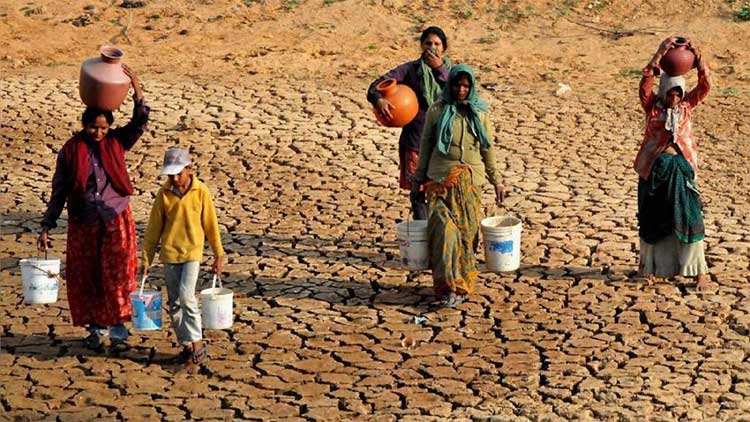
The year 2026 is on track to become one of the four warmest years ever recorded, highlighting the growing impact of global warming and the continued rise in temperatures worldwide. According to the World Meteorological Organization (WMO), the latest climate observations indicate that the planet remains significantly warmer than pre-industrial levels, raising fresh concerns about the pace of climate change.
The warning comes as countries continue to face extreme weather events, rising sea levels, ocean warming and other climate-related challenges. Scientists have repeatedly cautioned that human-driven greenhouse gas emissions are increasing global temperatures and intensifying pressure on natural ecosystems.
Global temperatures remain significantly above pre-industrial levels
The WMO’s State of the Climate Update for COP31 reported that global average surface temperatures between January and September 2026 were approximately 1.47°C above the pre-industrial average.
The assessment also indicated that the period from 2015 to 2026 is set to become the warmest 12-year period in the modern observational record.
The figures underline the long-term warming trend and reinforce concerns about the world’s progress towards the temperature goals established under the Paris Agreement.
Extreme weather events raise climate concerns
Rising global temperatures are contributing to changes in weather patterns across different regions. Heatwaves, prolonged droughts, intense rainfall and other extreme weather events are creating growing challenges for communities, agriculture and infrastructure.
Higher temperatures can increase evaporation and worsen water shortages in already dry regions. At the same time, a warmer atmosphere can hold more moisture, potentially contributing to heavier rainfall and flooding under suitable weather conditions.
These developments are increasing the need for stronger climate adaptation measures, including improved early-warning systems, resilient infrastructure and better disaster preparedness.
Oceans continue to absorb record amounts of heat
The warming trend is not limited to land. The world’s oceans are also experiencing significant changes as they absorb much of the excess heat trapped by greenhouse gases.
The WMO has highlighted record ocean heat content, with preliminary observations indicating a tenth consecutive year of record levels through July 2026.
Rising ocean temperatures threaten marine ecosystems, contribute to coral bleaching and affect fisheries. Ocean warming also contributes to sea-level rise through the expansion of seawater as it heats up.
Climate change and the 1.5°C target
The latest temperature assessment has renewed attention on the Paris Agreement’s goal of limiting global warming to well below 2°C while pursuing efforts to restrict the increase to 1.5°C above pre-industrial levels.
Scientists stress that the 1.5°C threshold is not a single point at which climate impacts suddenly begin. Instead, every additional fraction of warming increases the risks of more severe and widespread climate consequences.
Although individual years can temporarily exceed the 1.5°C level, this does not by itself mean that the long-term global warming threshold has been permanently crossed.
Stronger climate action remains essential
The WMO’s warning highlights the urgent need for countries to accelerate efforts to reduce greenhouse gas emissions. Expanding renewable energy, improving energy efficiency, protecting forests and reducing methane emissions are among the measures that can help slow global warming.
Governments also need to strengthen climate resilience by preparing communities for heatwaves, floods, droughts and other extreme weather events.
As 2026 approaches its end, the latest assessment serves as another reminder that climate change is an immediate global challenge. Experts say sustained emissions reductions and stronger international cooperation will be crucial to limiting future warming and protecting vulnerable populations.
Comments are closed.