
Why COP31 Is Facing Backlash: Major Setbacks, Unmet Promises and Growing Climate Concerns

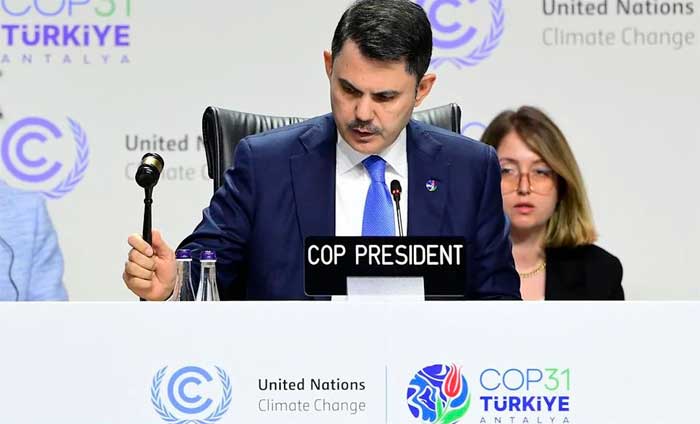
The 31st United Nations Climate Change Conference (COP31) was expected to provide fresh momentum to global efforts to tackle climate change. However, the summit has faced criticism over its ability to deliver meaningful commitments, address the growing climate crisis and ensure that countries follow through on their promises.
Climate experts, environmental activists and vulnerable nations have increasingly questioned whether international climate negotiations are producing results at the pace required to limit global warming. The concerns surrounding COP31 highlight a wider problem: the gap between ambitious climate pledges and concrete action.
But why is COP31 being perceived as a failure? Several disagreements, political challenges and unresolved climate commitments help explain the growing disappointment.
1. Failure to Agree on Fossil Fuel Phase-Out
One of the biggest reasons behind COP31’s disappointing outcome was the failure to reach an agreement on the future of fossil fuels.
More than 130 countries, including members of the European Union, the United Kingdom, Canada and several climate-vulnerable nations, wanted a clear commitment to transition away from coal, oil and natural gas.
However, countries heavily dependent on fossil fuel exports, led by Saudi Arabia and supported by Russia and other oil-producing nations, opposed including such language in the final agreement.
The disagreement eventually prevented governments from adopting the proposed Antalya Pact. Critics argued that failing to explicitly address fossil fuels undermined the central objective of international climate negotiations.
2. COP31 Ends Without a Final Climate Agreement
Another major reason for describing COP31 as a failure was that the summit ended without an overarching political agreement.
The conference, held in Antalya, Türkiye, was scheduled to conclude on November 20, 2026. However, negotiations continued for two additional days as countries struggled to resolve their differences.
Despite becoming the longest COP summit on record, the negotiations failed to produce consensus on the final cover decision.
The European Union, the UK and several other countries rejected the proposed agreement, arguing that it was too weak to address the urgency of the climate crisis.
This was particularly significant because the last time a UN climate conference ended without an overarching agreement was COP15 in Copenhagen in 2009.
3. Lack of Progress on Climate Finance
Climate finance was another major source of disagreement at COP31.
Developing countries, particularly those in Africa, Asia and small island nations, have repeatedly demanded financial assistance from wealthier countries to tackle rising temperatures, extreme weather events and climate-related disasters.
However, COP31 failed to deliver a substantial financial package or a clear implementation roadmap for increasing support to vulnerable nations.
Discussions on proposals to triple adaptation finance by 2035 also failed to produce the expected progress.
Developing countries expressed disappointment over the lack of concrete financial commitments, arguing that they cannot effectively implement climate policies without adequate funding.
The issue also exposed continuing divisions between developed and developing nations over who should bear the financial responsibility for tackling climate change.
4. The 1.5°C Global Warming Target Faces Growing Threat
The Paris Agreement, adopted in 2015, aims to limit global warming to well below 2°C while pursuing efforts to restrict the temperature rise to 1.5°C above pre-industrial levels.
However, the latest scientific assessments have warned that temporarily exceeding the 1.5°C threshold is increasingly difficult to avoid.
COP31 was expected to strengthen international cooperation and accelerate emission reductions to minimise the extent and duration of such an overshoot.
Instead, the failure to reach an agreement on fossil fuels and stronger climate action raised further concerns about whether governments are doing enough to meet the Paris Agreement’s objectives.
UN Secretary-General António Guterres expressed deep disappointment over the outcome, warning that delays in climate action make the challenge more difficult and expensive.
5. Disagreements Over Carbon Capture Technology
Carbon capture, utilisation and storage (CCUS) also became a controversial issue during the negotiations.
Some countries supported the greater use of carbon capture technologies as a way to reduce emissions while continuing certain fossil fuel-related activities.
However, environmental organisations and several governments argued that these technologies should not become an excuse to delay the transition away from coal, oil and gas.
Critics were particularly concerned that the proposed final text gave carbon capture and carbon removal technologies greater importance while removing clear language on fossil fuel transition.
This disagreement further widened the divide between countries seeking stronger emission-reduction commitments and those supporting a broader range of technological solutions.
6. Developing Countries Remain Disappointed
Climate-vulnerable countries were among the most disappointed participants at COP31.
Many developing nations face serious consequences from rising sea levels, prolonged droughts, extreme heat, floods and increasingly destructive storms.
For these countries, climate negotiations are not simply about long-term environmental targets but also about immediate survival, economic stability and protecting communities.
The lack of progress on climate finance, loss and damage and a fair transition to cleaner energy raised concerns that the interests of vulnerable populations were not receiving sufficient attention.
The Marshall Islands and other small island nations also objected to the proposed agreement, arguing that it did not provide an adequate response to the dangers they face.
7. Failure of the Consensus-Based Negotiation System
COP31 also renewed questions about the effectiveness of the United Nations’ consensus-based climate negotiation process.
Under this system, countries must reach broad agreement before major decisions can be adopted. While the approach is intended to ensure that all nations have a voice, it can also allow a small group of countries to block ambitious proposals.
At COP31, disagreements over fossil fuels prevented an agreement despite support for stronger action from a large coalition of countries.
The failure has prompted calls to reform the international climate negotiation process and explore ways to prevent individual countries from obstructing collective progress.
The European Parliament’s research service also highlighted growing criticism of the consensus-based approach following the summit’s failure.
Was COP31 a Complete Failure?
Despite the collapse of negotiations over the main climate agreement, COP31 did not end without any progress.
Several decisions and initiatives were secured during the summit, including:
-
Electrification commitment: Around 80 countries supported a global target of obtaining 35% of final energy consumption from electricity by 2035.
-
Just transition: Discussions on a new mechanism to support workers and communities affected by the shift towards cleaner energy continued, although key decisions were deferred to COP32.
-
Climate adaptation: An initiative was established to help least-developed countries implement national adaptation plans.
-
Ocean protection: New initiatives were launched to strengthen ocean-based climate action.
-
Clean energy cooperation: Countries continued developing partnerships to accelerate electrification and renewable energy investment.
These developments indicate that international climate cooperation has not completely stalled, even though the summit failed to reach its main political objective.
What Happens Next? COP32 to Face Unresolved Climate Challenges
Following the disappointing conclusion of COP31, attention will now shift to COP32, scheduled to take place in Addis Ababa, Ethiopia, in 2027.
The next summit will face several unresolved challenges, including securing stronger commitments to move away from fossil fuels, increasing climate finance for developing countries and accelerating efforts to limit global warming.
Countries will also face growing pressure to turn their existing climate pledges into measurable action rather than relying on repeated declarations.
The failure of COP31 has made one thing clear: international climate negotiations need stronger political commitment, greater accountability and more effective cooperation.
Comments are closed.