
Chandrasekaran To Step Down In 2027, Then Gets 5-Year Extension: What Changed At Tata Sons

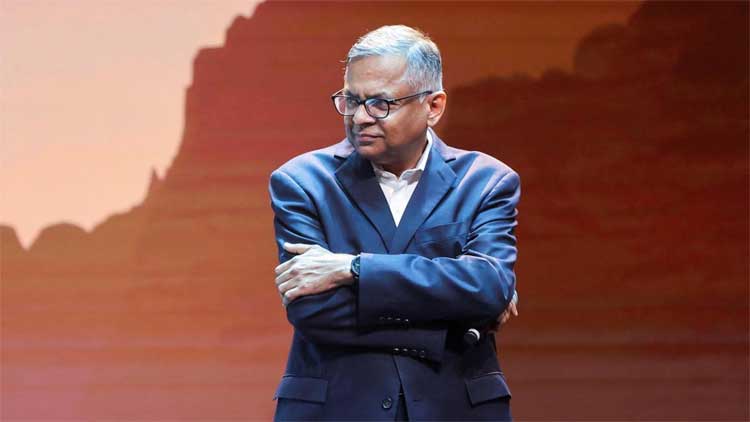
A fresh wave of disagreement has emerged within Tata Sons after its board on Thursday approved a new five-year term for N Chandrasekaran as executive chairman, reversing his earlier decision not to seek reappointment.
In a statement on Thursday, Tata Sons said its board had received a resolution from Tata Trusts supporting Chandrasekaran’s reappointment for another five years.
“The Board received from Tata Trusts their unanimous resolution dated July 28, 2025 expressing their appreciation of the Chairman of Tata Sons, Mr. N. Chandrasekaran (Chandra) for his stewardship of the Group from 2017 onwards,” the statement said.
The Trusts, it added, had resolved to recommend Chandrasekaran’s reappointment as executive chairman for a further five-year term after his current tenure ends.
Why Was Chandrasekaran Reappointed After He Agreed To Step Down?
Chandrasekaran was first appointed chairman of Tata Sons in 2017. He began a second five-year term in 2022, with his current tenure scheduled to end in February 2027.
Here is a timeline of the key developments:
July 2025: Tata Trusts agreed to recommend another five-year term for Chandrasekaran.
February 24, 2026: The recommendation was taken up by the Tata Sons board. However, the proposal did not go through after Noel Tata sought a clear roadmap for the performance of several new businesses launched under Chandrasekaran’s leadership, including e-commerce, aviation and semiconductors, according to a person familiar with the matter, as reported earlier by HT.
August 12, 2026: Chandrasekaran said he had decided to step down as Tata Sons chairman when his current term ends, citing the absence of unanimous support from the holding company’s board for his reappointment.
In his resignation letter, Chandrasekaran said his decision followed the failure of the reappointment proposal to secure unanimous backing.
“My current tenure as the Chairman of Tata Sons comes to an end on Feb 20, 2027. Sir Dorabji Tata Trust and Sir Ratan Tata Trust had unanimously resolved and recommended the extension of my next term for a period of five years, which was recorded and recommended by the Tata Sons Nomination and Remuneration Committee and the Board,” he wrote.
“Subsequently, the resolution was tabled in the Tata Sons Board on Feb 24, 2026. However, the proposal was not carried through because one of the Board Members did not support it, and in the absence of unanimous support, I chose to defer the decision,” he added.
August 18, 2026: A Tata Sons annual general meeting, which was scheduled to vote on Chandrasekaran’s reappointment as a director, was adjourned due to a lack of quorum.
September 3, 2026: The Nomination and Remuneration Committee of the Tata Sons board “unanimously” asked Chandrasekaran to reconsider his decision, citing his contributions and the broader interests of the Tata Group.
September 11, 2026: The Reserve Bank of India rejected Tata Sons’ request to exit the non-banking financial company (NBFC) framework. The decision meant the holding company would have to proceed towards a listing.
Tata Sons had sought to exit the NBFC framework and remain privately held.
Noel Tata Opposes Tata Sons Listing
The appointment of Chandrasekaran also came as Tata Sons began steps toward a potential listing following the RBI decision.
Noel Tata, however, remains opposed to the company going public. At the Tata Sons board meeting on Thursday, September 17, he said he would oppose any decision to list the group’s holding company.
He instead suggested that Tata Sons seek at least three years from the RBI to meet regulatory requirements if a listing ultimately becomes necessary.
Noel’s position challenges Tata Sons’ statement that its board had decided to “start steps to follow the applicable RBI guidelines.”
“If I am forced to vote, then I would have no option but to veto any such decision to list,” Noel told the board, according to a statement later issued by Tata Trusts.
“A listing will destroy its character and strike at the heart of this principle,” he said.
Noel also said the Tata Sons board, under the leadership of late Ratan Tata, had “unanimously” agreed that the company would remain “unlisted.”
September 17: Board Approves Chandrasekaran’s Reappointment
On September 17, the Tata Sons board approved a five-year extension for Chandrasekaran as executive chairman.
However, Tata Trusts chairman Noel Tata voted against the proposal.
Noel Tata Calls Reappointment ‘Illegal’
Following the board’s decision, Tata Trusts issued a statement saying it continued to maintain that the resolution to reappoint Chandrasekaran “is illegal.”
According to the Trusts, Noel Tata reiterated the same position during the Tata Sons board meeting. While he voted against the resolution, the proposal was approved by a majority of the Tata Sons board.
Tata Trusts’ Objection To The Appointment Process
Tata Trusts said the resolution was a “legal nullity” under the Articles of Association of Tata Sons.
According to the Trusts, the appointment of a chairman requires a majority of the Trusts’ nominee directors to vote in favour. It said the same procedure applies to both the appointment of a new chairman and the reappointment of an existing chairman.
The Trusts further argued that the board cannot lawfully hold a meeting or pass a resolution concerning the appointment or reappointment of the chairman unless both Trust nominee directors are present.
It also said such a resolution cannot be validly passed unless both nominee directors vote in favour.
Since Noel Tata, one of the Trust nominee directors, voted against Chandrasekaran’s reappointment, Tata Trusts said the resolution was legally void and “without any basis.”
Comments are closed.