
Climate change is fuelling a global wildfire crisis. Here’s why

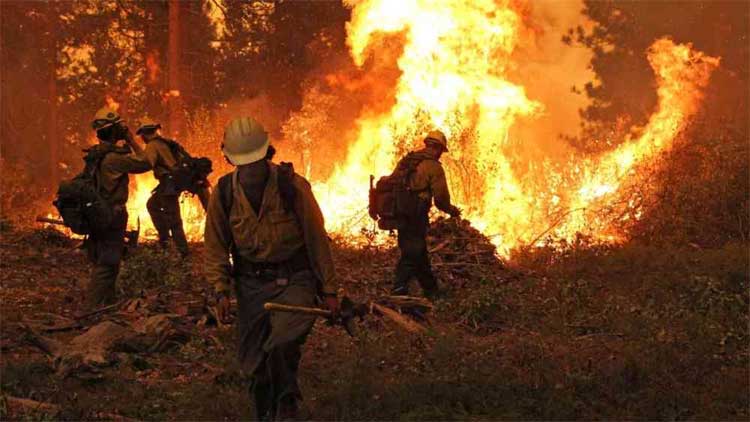
From record-breaking wildfires in Canada and Greece to devastating blazes in California, Australia and parts of South America, wildfires are becoming more frequent, more intense and harder to contain. Scientists say climate change is playing a central role by creating hotter, drier conditions that make landscapes far more susceptible to fire.
Rising global temperatures have extended wildfire seasons across many regions. Heatwaves are becoming more common and lasting longer, while reduced rainfall and prolonged droughts leave forests, grasslands and shrublands parched. Dry vegetation acts as fuel, allowing fires to spread rapidly once ignited.
Climate change also increases the likelihood of extreme weather conditions that can worsen wildfires. Strong winds help flames move quickly over large distances, while lightning strikes—another common ignition source—are expected to become more frequent in some parts of the world as the atmosphere warms.
The impacts are being felt across continents. In North America, hotter summers and persistent drought have contributed to increasingly destructive fire seasons. Southern Europe has witnessed repeated outbreaks of wildfires during intense heatwaves, while Australia continues to face longer fire seasons marked by extreme temperatures and dry conditions. Even regions that historically experienced fewer wildfires are seeing rising risks as climate patterns shift.
However, climate change is not the only factor driving the surge in wildfires. Land-use changes, deforestation, expansion of human settlements into fire-prone areas and decades of fire suppression have increased the amount of combustible vegetation in many forests. Human activity, including unattended campfires, discarded cigarettes, agricultural burning and faulty power lines, remains a leading cause of wildfire ignitions.
The consequences extend far beyond the immediate destruction of forests and homes. Wildfires release massive amounts of carbon dioxide into the atmosphere, further accelerating global warming. Smoke from fires can travel hundreds or even thousands of kilometres, degrading air quality and increasing the risk of respiratory and cardiovascular illnesses. Wildlife habitats are destroyed, biodiversity declines and local economies dependent on agriculture and tourism often suffer significant losses.
Experts say reducing wildfire risk requires a combination of climate action and better land management. Cutting greenhouse gas emissions can help limit future warming, while controlled burns, forest thinning, early warning systems, improved firefighting infrastructure and stricter regulations on human activities in fire-prone regions can reduce the likelihood of catastrophic fires.
As climate change continues to reshape weather patterns, scientists warn that many parts of the world are becoming increasingly vulnerable to wildfires. Without stronger efforts to curb global warming and improve resilience, extreme fire seasons are expected to become an increasingly common feature of the decades ahead.
Comments are closed.