
COP31 2026: Key Dates, Venue, Agenda And Major Issues To Watch At UN Climate Summit

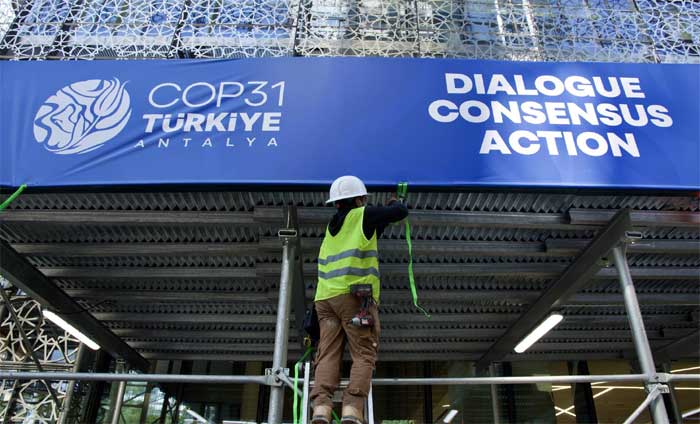
The world’s governments, climate negotiators, scientists and environmental organisations will gather in Antalya, Türkiye, from November 9 to 20 for the 31st United Nations Climate Change Conference. The summit is expected to focus on cutting greenhouse gas emissions, climate finance, adaptation to extreme weather and the global transition towards cleaner energy.
With climate risks intensifying and countries facing pressure to turn their climate pledges into concrete action, COP31 will be an important test of international cooperation.
COP31 will be held from November 9 to 20, 2026, at the Antalya EXPO Center in Antalya, Türkiye. The conference will bring together representatives of almost every country to negotiate measures to address climate change.
Türkiye will host the summit, while Australia will lead the negotiations under an arrangement agreed between the two countries. Türkiye’s climate minister, Murat Kurum, has been nominated as COP31 president, while Australia’s Chris Bowen will serve as president of negotiations.
What Does COP31 Mean?
COP stands for the Conference of the Parties to the United Nations Framework Convention on Climate Change (UNFCCC). The annual meetings provide a platform for countries to negotiate collective responses to global warming.
COP31 will also include meetings under the Kyoto Protocol and the Paris Agreement. The broader objective is to strengthen international efforts to limit global temperature rise, support communities facing climate impacts and accelerate the transition towards net-zero emissions.
Key Issues Expected to Dominate COP31
1. Reducing Greenhouse Gas Emissions
Countries are under growing pressure to turn their existing climate commitments into measurable emissions reductions. The European Union is expected to push for a stronger mitigation package, including extending the UN climate programme for discussing emissions cuts beyond its current 2026 expiry. <Cite refs={[“turn960559news20”]}/>
2. Fossil Fuels and the Clean Energy Transition
The future of coal, oil and gas is likely to remain a contentious issue. Governments will face pressure to accelerate renewable energy deployment, improve energy efficiency and reduce dependence on fossil fuels, while balancing energy security and economic development.
Debates over whether countries should commit to a clearer phase-out of fossil fuels are expected to remain politically sensitive.
3. Climate Finance for Developing Countries
Developing countries need financial support to reduce emissions, build climate-resilient infrastructure and recover from climate-related disasters. Climate finance is likely to be a major negotiating issue, particularly for countries that have contributed relatively little to historical emissions but face severe climate risks.
4. Adaptation to Extreme Weather
Heatwaves, floods, droughts, rising sea levels and stronger storms are increasing pressure on governments to strengthen climate adaptation. COP31 discussions are expected to address ways to improve resilience, protect vulnerable communities and support countries facing escalating climate damage.
5. Protecting Vulnerable Countries and Communities
Small island nations and other climate-vulnerable countries are calling for stronger emissions reductions and more financial assistance. During the pre-COP meetings in Fiji and Tuvalu in October, Pacific leaders highlighted the threat posed by rising sea levels and urged countries to preserve the 1.5°C warming limit.
Why Is the 1.5°C Target Important?
The 1.5°C target refers to limiting the rise in global average temperatures to 1.5°C above pre-industrial levels. It is a central goal of international climate action because every additional fraction of warming increases the risks of extreme weather, ecosystem damage and threats to human livelihoods.
Countries will face continued pressure at COP31 to strengthen their climate commitments and speed up implementation, although the summit’s final decisions will depend on negotiations among participating governments.
What Happened at the COP31 Pre-Summit?
Preparatory meetings were held in Fiji from October 5 to 8, with a leaders’ event involving Tuvalu and Australia. These discussions gave Pacific island countries an opportunity to highlight climate threats, including rising sea levels, and call for stronger international action.
At the meetings, COP31 president-designate Murat Kurum stressed the urgency of limiting global warming and called for greater efforts to address the climate crisis. A joint declaration by 30 countries also called for deep, rapid and sustained emissions cuts.
Who Will Attend COP31?
The conference is expected to bring together:
- Government leaders, ministers and national climate negotiators.
- Representatives of the United Nations and international organisations.
- Climate scientists, researchers and environmental campaigners.
- Businesses, investors, youth groups and civil society organisations.
- Representatives of Indigenous Peoples and climate-vulnerable communities.
The summit will provide a platform for governments to negotiate decisions, review existing commitments and discuss practical approaches to climate action.
What Could COP31 Mean for India?
For India, COP31 will be important in discussions around affordable clean energy, climate finance, adaptation and the development needs of emerging economies.
India is expanding renewable energy while also balancing rising electricity demand and economic growth. Negotiations on financial assistance and technology access could be particularly relevant to developing countries seeking to reduce emissions without compromising development priorities.
The final outcome will depend on the positions taken by India and other participating countries during the negotiations.
How to Follow COP31
The official UN Climate Change website will publish conference schedules, documents, announcements and updates on negotiations.
Readers can follow the event through the official website:
Conclusion
COP31 in Antalya will be a major international test of whether countries can translate climate promises into measurable action. Emissions reductions, fossil fuels, climate finance and support for vulnerable communities are expected to be central issues.
With the conference scheduled for November 9–20, 2026, the focus will be on whether governments can reach practical agreements that strengthen global climate action and help communities prepare for a warming world.
Comments are closed.