
Cuba suffers second nationwide blackout in a week

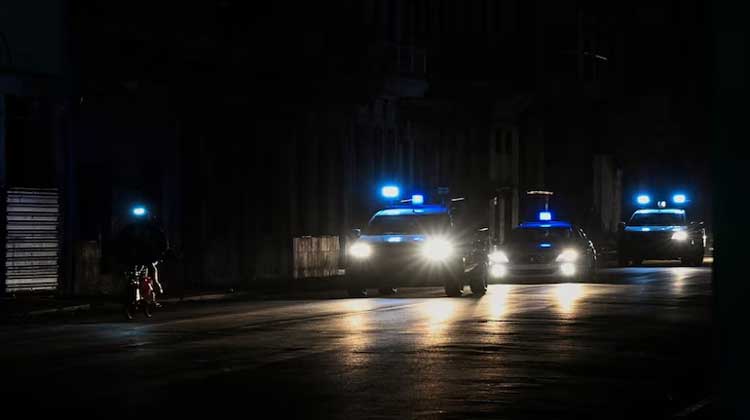
Cuba was plunged into darkness for the second time in less than a week on Saturday after its national power grid collapsed again, buckling under the strain of aging infrastructure and a worsening fuel shortage linked to the US oil blockade.
As night fell, much of Havana was left in near-total darkness, with residents relying on phone lights and flashlights — just days after a previous nationwide outage. In tourist areas, a handful of restaurants remained open using generators, but repeated blackouts have made daily life increasingly difficult.
“This is becoming unbearable,” said one Havana resident, reflecting growing frustration among citizens already grappling with shortages of essentials.
Authorities said the “total disconnection” of the national electricity system was triggered by a failure at a thermoelectric plant, setting off a cascading collapse across the grid. State utility Cuban Electric Union said micro-grids were being activated to supply critical services such as hospitals and water treatment facilities.
Cuba’s fragile energy system relies heavily on a network of aging thermoelectric plants, many over four decades old and prone to breakdowns. The crisis has deepened amid severe fuel shortages, worsened after disruptions in oil supplies following geopolitical tensions and US restrictions.
Blackouts lasting up to 15 hours a day in the capital — and even longer in rural areas — have become common, disrupting livelihoods and basic services.
The latest outage comes as Cuba faces mounting economic pressure and political tensions, with residents expressing fatigue and uncertainty over how long the crisis will persist.
Comments are closed.