
Delhi–Dehradun in 2.5 Hours: New Expressway Opens for Trial Run

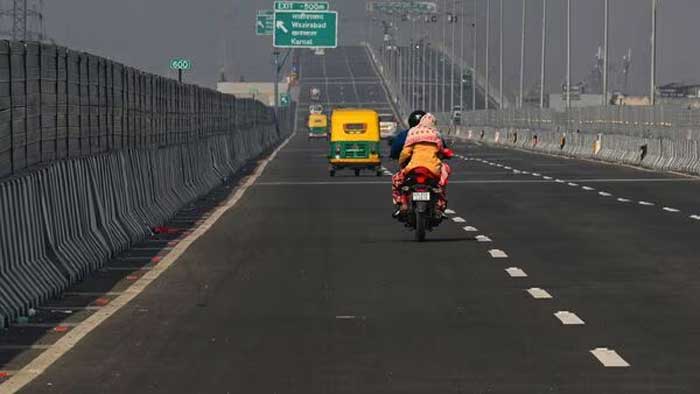
The long-awaited Delhi–Saharanpur–Dehradun Expressway has opened for a public trial run, marking a major boost to connectivity between the NCR and Uttarakhand. Once fully operational, the 210-km corridor will cut the Delhi–Dehradun journey from 6–6.5 hours to just 2–2.5 hours, easing traffic and offering a faster, high-speed route through Delhi, Uttar Pradesh, and Uttarakhand.
First 32 km Stretch Opens
According to ANI, the initial 32 km stretch—beginning at Delhi’s Akshardham Temple and passing through Geeta Colony, Shastri Park, Mandola Vihar, and reaching Khekra in Baghpat—opened to commuters on Monday.
A formal inauguration is expected in late December or early January.
Commuters Hail the Move
Early users welcomed the trial run, noting the bypassing of traffic-heavy stretches. “It will save us from traffic jams and save time,” a commuter told ANI.
No Toll for One-Month Trial
An NHAI official told Hindustan Times that the expressway will remain toll-free during its one-month trial phase, giving travellers full access before commercial operations begin.
Traffic Relief for NCR
The Akshardham–Eastern Peripheral Expressway (EPE) segment is expected to significantly decongest routes toward Ghaziabad and Noida by diverting thousands of vehicles to the new high-speed corridor.
Modern Facilities Along the Delhi Stretch
NHAI is developing new rest and parking facilities between Akshardham Junction and the UP border, including:
-
Sites at East Delhi DM office, Gandhi Nagar market, and Geeta Colony
-
Restrooms, drinking water units, solar lighting, first-aid rooms
-
Electronic parking systems with 10% EV-reserved slots
-
Food kiosks, ATMs, air-filling stations, and PUC centres
The Gandhi Nagar site will be the largest at 1.4 hectares.
Project Status
The ₹11,868.6-crore project was initially slated for completion in December 2024. While most Delhi-side work is nearly done, some stretches near Dehradun still require safety audits before the full corridor is opened.
Comments are closed.