
EU Proposes New Sanctions on Russia, Seeks Entry Ban for Former Soldiers

The European Union has proposed a sweeping new sanctions package against Russia that would, for the first time, ban entry into the bloc for anyone who has served in the Russian armed forces since the start of the war in Ukraine.
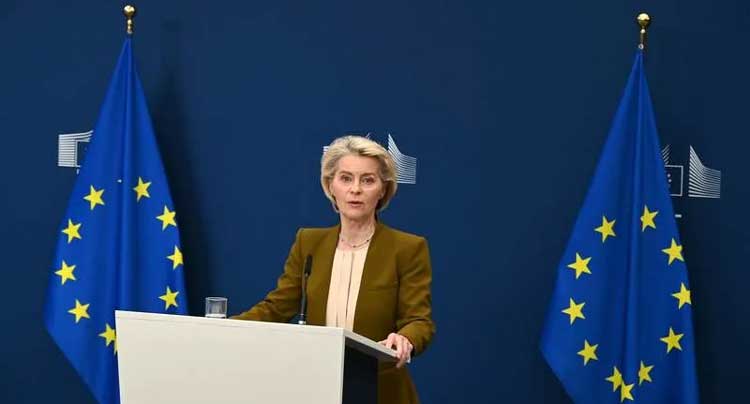
Announcing the proposal on Tuesday, European Commission President Ursula von der Leyen said the measure is designed to ensure that individuals who participated in Russia’s invasion of Ukraine are denied access to EU territory.
“We propose for the first time to ban entry into the European Union for anyone who has served in the Russian armed forces since the beginning of the war,” von der Leyen said. “This will make sure that Europe stays off-limits for anyone who has participated in the invasion of Ukraine.”
The proposed sanctions package also seeks to further curb Russia’s energy earnings as global oil prices continue to rise amid conflict in the Middle East. Brussels plans to maintain a price cap on Russian crude at around $44 per barrel until January, preventing Moscow from benefiting from higher international oil prices.
As part of the effort, the EU intends to blacklist 30 more vessels linked to Russia’s so-called “shadow fleet,” which has been used to bypass existing restrictions on oil exports.
The package additionally targets financial networks and intermediaries accused of helping Russia evade sanctions. New measures would affect crypto platforms, banks and third-party oil traders, while trade restrictions would be expanded to cover imports of certain Russian seafood products, including cod and Alaska Pollock.
In a further escalation, Brussels is seeking tighter controls on foreign companies supplying Russia’s military-industrial sector. Officials said the proposal includes banning 14 firms based in mainland China and Hong Kong from purchasing goods from the European Union.
Highlighting the impact of the war on Russian society, von der Leyen said the costs of the conflict are increasingly being borne by ordinary Russians.
“The price Russia pays is heavier by the day, and it is paid primarily by the people of Russia,” she said. “They are mourning sons, brothers, husbands, and at the same time they face declining living standards at home.”
The sanctions package will now be discussed by the EU’s 27 member states. Unanimous approval is required before the measures can take effect.
Comments are closed.