
India’s extreme poverty drops to 2.6% in 2023, World Bank flags 13-fold wage gap

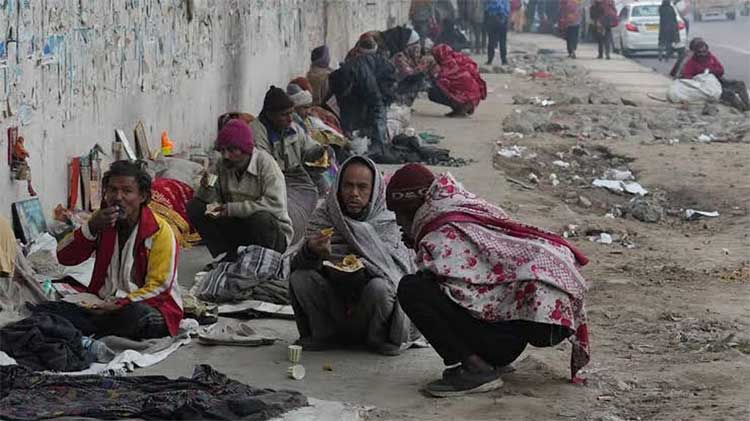
Extreme poverty in India declined to 2.6% in 2023, marking a significant reduction in the number of people living on extremely low incomes. However, income inequality and regional disparities remain major concerns, according to the World Bank.
The World Bank measured extreme poverty using the threshold of $3 per person per day in 2021 Purchasing Power Parity (PPP) terms. Its findings indicate that while fewer people are living in extreme poverty, the benefits of economic progress remain unevenly distributed.
The report also highlighted a substantial wage gap between India’s highest- and lowest-paid workers, underlining the persistence of income inequality.
Wage disparity remains a major concern
Despite the decline in extreme poverty, earnings across different income groups remain sharply unequal.
According to the World Bank, median earnings among the top 10% of workers were approximately 13 times higher than those of the bottom 10%.
The disparity highlights the continuing gap in earning opportunities and income distribution, even as poverty levels have fallen.
The findings suggest that reducing extreme poverty alone may not be sufficient to address the broader challenges of economic inequality and ensure that growth benefits workers across income groups.
Poverty increasingly concentrated in certain regions
The World Bank also warned that poverty in India is becoming increasingly concentrated geographically.
Around 57% of the country’s poor population lives in a geographical belt stretching from Uttar Pradesh to West Bengal.
This concentration highlights the continuing challenges faced by several eastern and northern states, where poverty remains a significant development concern.
The findings point to the importance of region-specific development strategies, particularly in areas where a large share of the country’s poor population resides.
Declining poverty, but challenges remain
India’s extreme poverty rate falling to 2.6% in 2023 reflects progress in improving living standards. However, the World Bank’s findings underline that income inequality and geographical concentration of poverty continue to pose challenges.
The wide wage gap between the highest- and lowest-paid workers, along with the concentration of poverty across a belt from Uttar Pradesh to West Bengal, highlights the need for more inclusive economic growth.
While the reduction in extreme poverty marks an important development, ensuring equitable access to employment, better wages and economic opportunities remains crucial to sustaining progress.
Comments are closed.