
Is Botox safe for Indian skin? Can phones, laptops cause dark spots? Dermatologist answers 10 questions

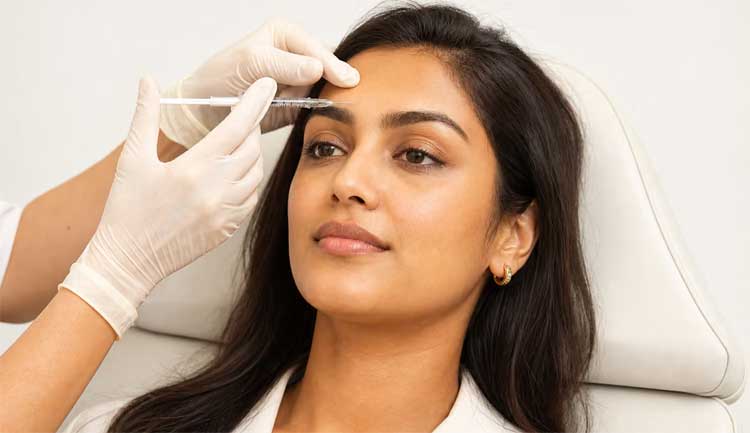
Indian and other brown skin tones can respond differently to common cosmetic treatments and environmental triggers, making personalised skincare especially important.
Dermatologists often emphasise that pigmentation, acne marks and uneven skin tone should be assessed according to an individual’s skin type rather than treated with a one-size-fits-all approach.
Here are 10 important questions about brown skin and what dermatologists generally recommend.
1. Is Botox safe for Indian skin?
Yes. Botox can generally be used safely on Indian and other brown skin when it is administered by a qualified, experienced dermatologist or plastic surgeon. Skin colour itself is not a contraindication.
However, choosing the right injector and technique is important. Patients should discuss their medical history, allergies and expectations before treatment and ensure that the procedure is performed using an approved product in a medical setting.
2. Can Botox cause pigmentation?
Botox itself does not typically cause dark spots. However, any injection can occasionally cause temporary bruising, irritation or inflammation, which may lead to post-inflammatory pigmentation, particularly in people whose skin is prone to pigmentation.
Sun protection after cosmetic procedures is therefore important.
3. Can phones and laptops cause dark spots?
Phones and laptops are not generally considered major causes of pigmentation. However, visible light, including light emitted by electronic screens, has been studied for its potential effect on pigmentation, particularly in people prone to melasma.
The much bigger everyday triggers are usually sunlight and heat. Using sunscreen regularly remains one of the most important steps for preventing pigmentation from worsening.
4. Why does brown skin develop dark marks so easily?
Brown skin contains more melanin and can produce more pigment in response to inflammation. As a result, acne, insect bites, burns, eczema and cosmetic procedures can sometimes leave dark marks after the original problem has healed.
This is known as post-inflammatory hyperpigmentation.
5. Does sunscreen matter for Indian skin?
Absolutely. Sunscreen is important even when the primary concern is pigmentation rather than sunburn.
A broad-spectrum sunscreen of at least SPF 30 is commonly recommended. People dealing with melasma or persistent pigmentation may benefit from a tinted sunscreen containing iron oxides because it can provide additional protection against visible light.
6. Can vitamin deficiencies cause pigmentation?
Some nutritional deficiencies can be associated with changes in skin colour, but pigmentation has many possible causes. It is therefore not advisable to assume that every dark patch is caused by a vitamin deficiency.
Persistent, widespread or unexplained pigmentation should be evaluated by a dermatologist, who can determine whether testing is appropriate.
7. Should people with brown skin avoid chemical peels?
Not necessarily. Chemical peels can be used safely in darker skin types when the appropriate formulation, concentration and technique are selected.
Strong or improperly performed peels can cause irritation and post-inflammatory pigmentation. Treatment should therefore be tailored to the patient’s skin type and the specific condition being treated.
8. Is laser treatment risky for Indian skin?
Laser treatments can be performed on Indian skin, but the choice of laser, settings and expertise of the practitioner are crucial. Some lasers can cause burns or trigger pigmentation if used incorrectly.
Anyone considering laser treatment should consult a dermatologist experienced in treating darker skin types.
9. What is the biggest skincare mistake people with brown skin make?
One common mistake is aggressively treating pigmentation. Scrubbing, using multiple strong active ingredients or repeatedly irritating the skin can worsen inflammation and create even more pigmentation.
A simpler routine focused on gentle cleansing, moisturising, sun protection and carefully selected active ingredients is often a better approach.
10. When should pigmentation be checked by a dermatologist?
Pigmentation that appears suddenly, spreads rapidly, changes in appearance or occurs without an obvious explanation deserves medical evaluation. A dermatologist can distinguish between common problems such as melasma and post-inflammatory pigmentation and conditions that may require specific treatment.
For brown skin, the goal is not to remove melanin but to understand why pigmentation is occurring and treat the underlying cause while protecting the skin barrier.
Comments are closed.