
Israel–Pakistan tensions flare ahead of US-Iran talks in Islamabad

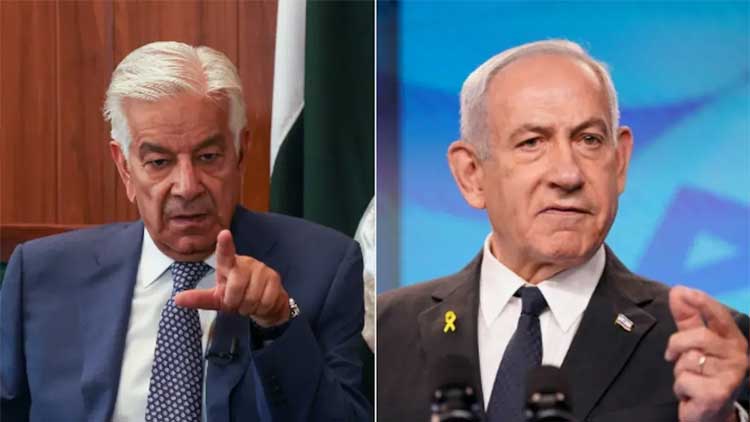
A diplomatic storm has erupted between Israel and Pakistan ahead of scheduled US-Iran talks in Islamabad, with tensions flaring over remarks by Pakistan’s Defence Minister Khawaja Asif accusing Israel of committing “genocide” in Lebanon.
The office of Israeli Prime Minister Benjamin Netanyahu condemned the comments as “outrageous,” saying such rhetoric cannot come from a country positioning itself as a neutral mediator. “This is not a statement that can be tolerated… especially not from one that claims to be a neutral arbiter for peace,” it said.
Asif deletes post after backlash
In a fresh twist, Asif deleted his controversial posts on X following Israel’s sharp response, further escalating tensions just ahead of the talks. He had described Israel as a “curse for humanity” and alleged ongoing “genocide” in Lebanon — remarks that drew strong condemnation from Israeli leadership.
Israeli leaders slam remarks
Israel’s Foreign Minister Gideon Sa’ar called the statements “blatant antisemitic blood libels,” warning that language portraying Israel as “cancerous” amounts to a call for its destruction. He reiterated that Israel would defend itself against threats to its existence.
Mediation role under scrutiny
The controversy comes at a sensitive moment, with Pakistan seen as playing a role in facilitating diplomacy linked to a temporary US-Iran ceasefire and hosting further talks in Islamabad. The latest row, however, risks undermining its credibility as a neutral broker.
Pakistan has also reportedly been approached by Lebanon’s Prime Minister Nawaf Salam to support efforts to halt Israeli strikes, even as regional tensions continue to rise.
Ceasefire strains ahead of talks
Meanwhile, a fragile ceasefire between the United States and Iran is showing signs of stress ahead of the Islamabad meeting, particularly over disruptions in oil flows through the Strait of Hormuz.
US President Donald Trump accused Tehran of failing to uphold commitments to ensure smooth passage through the critical route, which carries a significant share of global oil and LNG supplies.
With limited shipping traffic reported and tensions persisting, concerns are mounting over energy markets even as diplomatic efforts continue.
Comments are closed.