
Passport, immigration and travel changes: What Indians and foreign visitors need to know

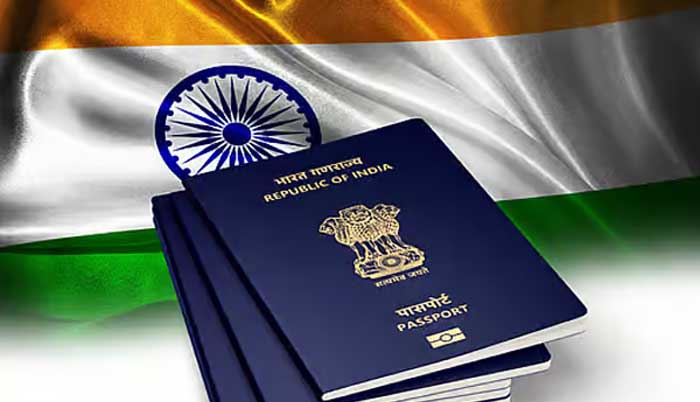
India has introduced several changes and clarifications related to passports, travel procedures and immigration rules, impacting both Indian citizens and international travellers, including the large Indian diaspora living in the UAE and Gulf countries.
The updates cover passport fees, e-passports, health declarations for foreign arrivals and revised registration rules for foreigners staying in India.
Passport is a travel document, not citizenship proof
Officials from India’s Ministry of External Affairs recently clarified that a passport is a travel document and does not by itself serve as proof of citizenship.
India began issuing e-passports last year, with millions already issued. These upgraded passports contain an embedded antenna and RFID chip storing personal and biometric information to improve security and international acceptance.
The clarification has raised questions about which documents can establish Indian citizenship, as a passport alone does not determine citizenship status.
Passport fees increase from July 1
India has revised passport service charges for the first time in 14 years, with new fees coming into effect from July 1.
The revised charges include:
- A normal 36-page passport will now cost ₹2,500, up from ₹1,500, while the Tatkaal fee rises to ₹5,000 from ₹3,500.
- A normal 60-page passport will cost ₹3,500, up from ₹2,000, while Tatkaal charges increase to ₹6,000 from ₹4,000.
- Reissue of a lost or damaged 36-page passport will rise to ₹5,000 for normal service and ₹7,500 for Tatkaal.
- Reissue of a lost or damaged 60-page passport will increase to ₹6,000 for normal service and ₹8,500 for Tatkaal.
- Passport fees for minors have also been increased.
New health declaration rules for international travellers
India’s civil aviation authorities have introduced a new health self-declaration system for passengers arriving from abroad.
The Air Suvidha 2.0 portal requires travellers to provide details including their 21-day travel history, possible exposure information and health-related symptoms.
The move comes amid concerns linked to disease outbreaks, including Ebola.
Travellers can complete the self-declaration form within 24 hours before starting their journey to India. The downloaded form may need to be shown at the International Travel Health Desk or immigration counter upon arrival.
Immigration rules updated for foreigners staying in India
Foreign nationals planning to stay longer in India now have more flexibility regarding registration requirements.
Under the revised rules, foreigners must complete registration anytime before the expiry of 180 days from their arrival, replacing the earlier requirement that applied within 14 days after crossing the 180-day stay period.
The registration rule does not apply when one parent is an Indian citizen and intends to retain the child’s Indian citizenship under the Citizenship Act, 1955.
The amended rules also state that if a child acquires foreign citizenship while living in India, either parent must inform the Registration Officer within 30 days of the change.
The updates are expected to affect travellers, expatriates and families navigating India’s passport and immigration procedures.
Comments are closed.