
“Sanatanis won’t harm you”: West Bengal BJP leader’s message to skullcap-wearers and meat sellers

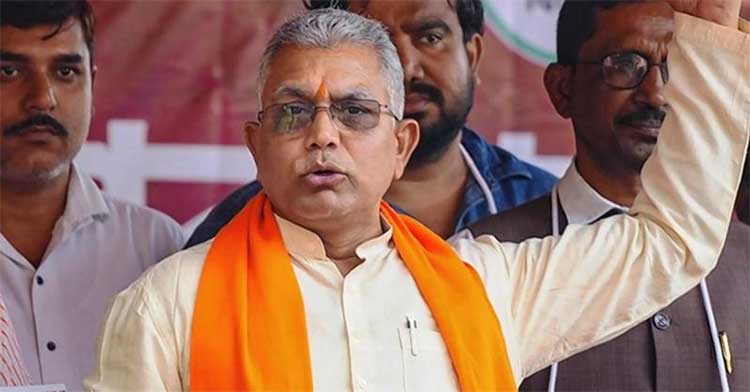
Non-vegetarian food has emerged as an unlikely flashpoint in the high-pitched West Bengal Assembly Elections, with the ruling All India Trinamool Congress and the opposition Bharatiya Janata Party trading sharp claims over cultural identity and everyday food habits.
Chief minister Mamata Banerjee has alleged that if voted to power, the BJP could make access to fish and meat—central to Bengali cuisine—more difficult. The BJP, which is seeking to unseat Banerjee, has strongly denied the charge and launched a counter-campaign to reassure voters.
Fish enters the campaign trail
In a symbolic pushback, several BJP leaders have incorporated fish into their campaign messaging. Union minister Anurag Thakur was seen publicly consuming fish, while Bidhannagar candidate Sharadwat Mukherjee earlier drew attention by campaigning with fish in hand.
Party leaders say the move is aimed at countering what they call a “misleading narrative” that the BJP would interfere with dietary choices in the state.
BJP dismisses claims as “political narrative”
Speaking about the controversy, Mukherjee described the issue as a distraction from core governance concerns. He argued that elections in other states typically revolve around development, infrastructure, education and investment, rather than food habits.
According to him, the focus on non-vegetarian food is a political strategy to divert attention from broader issues.
TMC points to ground incidents
The TMC’s claims stem partly from reported instances in different parts of India where individuals associated with right-wing groups have objected to non-vegetarian food practices. The party has used these examples to question whether similar trends could emerge in West Bengal.
Campaign heats up ahead of polling
Voting in the state is scheduled in phases on April 23 and April 29, with both parties intensifying outreach efforts. Alongside traditional campaign themes, identity, culture and lifestyle issues have increasingly entered the political discourse.
While the BJP maintains that it respects Bengal’s cultural traditions, including its food preferences, the TMC continues to frame the issue as one of safeguarding local identity.
Larger political battle
Beyond the rhetoric, the debate reflects a broader contest between the two parties over governance, development and voter trust. As campaigning enters its final stretch, it remains to be seen whether such cultural issues will influence voter sentiment or give way to more conventional electoral concerns.
Comments are closed.