
UK climate agenda at risk as government weighs North Sea drilling

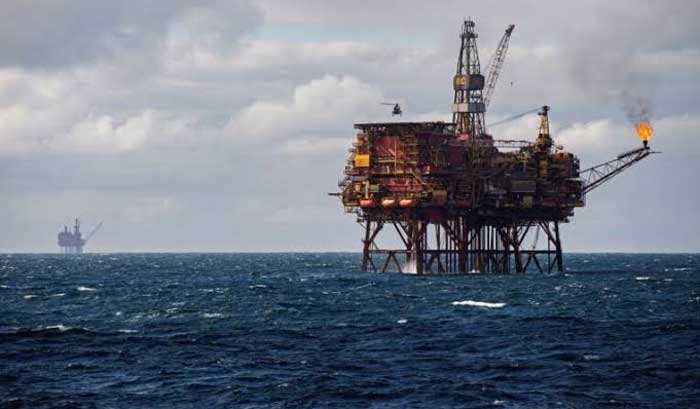
British Prime Minister Andy Burnham faces a politically sensitive decision in the coming weeks over whether to approve two North Sea drilling projects, an issue that has exposed divisions within his Labour Party.
The decision follows the end of a public consultation on Monday and puts Labour’s climate commitments against demands to strengthen domestic energy supplies and ease high household bills.
What are the projects?
Jackdaw is a gas field east of Aberdeen, while Rosebank is an oil-dominated field west of the Shetland Islands.
Both projects were approved by the previous Conservative government in 2022 and 2023. Environmental groups subsequently challenged the approvals in court.
A Scottish court ruled last year that the original approvals had failed to account for the emissions that would indirectly result from the projects. Both fields must therefore go through a fresh approval process.
Adura, a joint venture created from the merger of the UK offshore operations of Shell and Norway’s Equinor, owns Jackdaw outright and holds a majority stake in Rosebank.
Jackdaw is further advanced, with infrastructure and wells already in place. Rosebank will require more time before production can begin.
“For Jackdaw, all the infrastructure is there, the wells are drilled, it’s ready to turn on and it could be turned on in a matter of months,” said Matt Cooper, senior vice president at energy consultancy Rystad Energy.
Why is it politically sensitive?
Before Labour came to power in 2024, the party pledged not to approve new North Sea drilling licences.
But since becoming prime minister, Burnham has argued that Britain “can’t ignore” its domestic oil and gas reserves.
The issue has divided Labour. Some MPs support continued drilling on grounds of energy security and affordability, while others stress the jobs and economic benefits the projects could provide.
For other Labour members, however, the priority remains the party’s commitment to achieving net-zero emissions, said Jill Rutter, a senior fellow at the Institute for Government.
The projects have also drawn pressure from the opposition Conservatives and US President Donald Trump, who have pushed Britain to expand domestic oil and gas production.
Will drilling lower energy bills?
The key question for consumers is whether additional North Sea production would actually reduce household energy costs, which have risen sharply amid the wars in Ukraine and the Middle East.
Increasing domestic gas supply should theoretically put downward pressure on prices, Cooper said. But the impact could be limited because UK energy prices are closely tied to international markets.
Gas from Jackdaw could enter the national grid and reduce the need for some liquefied natural gas imports, potentially improving Britain’s energy security, said James Reid, an analyst at Wood Mackenzie.
However, the volumes involved are relatively small compared with the overall energy market.
The effect on electricity bills could also be limited. UK electricity prices are often influenced by gas-fired power plants, which are typically used to meet demand when other sources are insufficient.
Consumers would benefit only if domestically produced gas replaced more expensive imports. To generate a significant reduction in bills or channel additional revenues into clean-energy investment, the government would likely need to introduce specific mechanisms for redistributing project revenues, Rutter said.
What are the environmental concerns?
The environmental impact depends partly on whether domestic production replaces imported fossil fuels or encourages additional consumption.
If Britain’s overall oil and gas consumption remains unchanged, developing the two fields would have a limited effect on total emissions.
Producing gas at Jackdaw could even generate fewer emissions than importing some LNG, because liquefying, transporting and regasifying LNG is more emissions-intensive than producing gas in the UK North Sea, Reid said.
Environmental groups, however, argue that new fossil fuel projects could encourage further consumption and slow Britain’s transition to cleaner energy.
Under UK law, companies must account for indirect greenhouse gas emissions, known as Scope 3 or downstream emissions. As a result, Jackdaw and Rosebank must submit revised environmental assessments before the government can decide whether to approve them.
Comments are closed.