
US and Iran Set to Restart Nuclear Negotiations in Istanbul Amid De-escalation Push

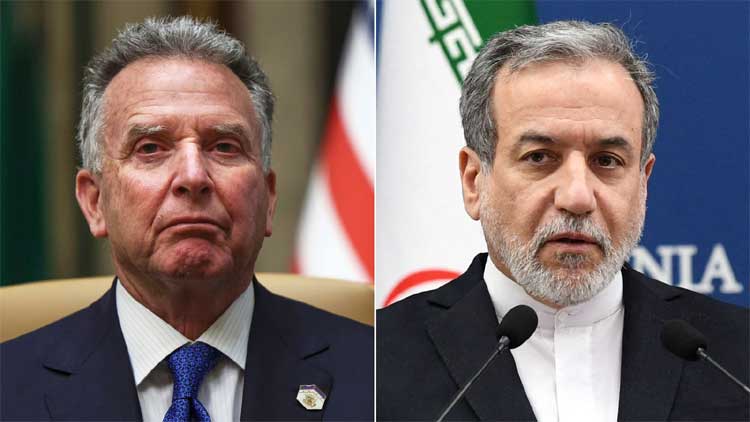
Tensions between the United States and Iran appear to be easing, with both sides set to resume negotiations on the stalled nuclear deal later this week in Turkey, according to a Reuters report citing officials from both countries.
The renewed diplomatic push comes after weeks of heightened rhetoric, including repeated warnings from US President Donald Trump about deploying warships near Iran and urging Tehran to reach an agreement. Iranian leaders, meanwhile, have also warned that any military confrontation could escalate into a wider regional conflict.
Reza Pahlavi Calls for Global Protests
Amid the diplomatic developments, Iran’s exiled crown prince Reza Pahlavi has called on Iranians living abroad and supporters worldwide to participate in large-scale protests on February 14, marking what he described as a “Global Day of Action” in support of the Lion-and-Sun Revolution.
Pahlavi urged demonstrators to gather in major cities such as Munich, Los Angeles, and Toronto, while encouraging others to organise local protests in their own regions.
Six Key Demands Outlined
Alongside the protest call, Pahlavi outlined six demands aimed at pressuring the Iranian leadership. These include dismantling the regime’s security apparatus, cutting off financial support networks, ensuring free internet access, expelling Iranian diplomats, releasing political prisoners, and preparing to recognise a transitional democratic government.
UAE Urges Dialogue and Agreement
Ahead of the scheduled talks, a senior official from the United Arab Emirates stressed the importance of diplomacy. UAE presidential adviser Anwar Gargash said Iran must rebuild its relationship with the United States through direct negotiations.
Speaking at the World Governments Summit in Dubai, Gargash warned that continued tensions would only destabilise the region further. “The Middle East has witnessed enough destructive confrontations. We do not need another one,” he said, according to AFP.
Growing Concerns Over Domestic Unrest
At home, Iran’s leadership is reportedly worried about the possibility of renewed mass protests. According to Reuters, senior officials have informed Supreme Leader Ayatollah Ali Khamenei that public anger remains high following the violent suppression of recent demonstrations.
Officials fear that a fresh wave of protests, combined with external pressure or military action, could seriously threaten the stability of the ruling system. One unnamed official was quoted as saying that such a scenario could lead to further violence and even systemic collapse.
Diplomatic Efforts Continue
Despite internal and external pressures, the resumption of talks has raised hopes for de-escalation. Observers believe that successful negotiations could reduce regional tensions, revive aspects of the nuclear agreement, and prevent further conflict in the Middle East.
Comments are closed.