
US Imposes 10% Tariff on India Under Section 301 Forced Labour Probe

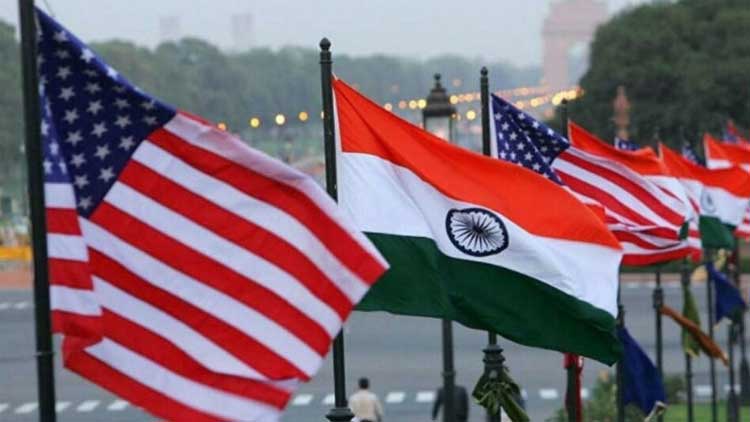
The United States on Thursday imposed a 10% tariff on imports from India under a Section 301 investigation into forced labour practices, lowering the rate from the 12.5% initially proposed and placing India on par with countries such as Pakistan, Bangladesh and Sri Lanka.
The tariffs, announced after a months-long investigation by the Office of the US Trade Representative (USTR), apply to 60 countries accused of failing to effectively prohibit imports made with forced labour. They replace the temporary 10% global tariff introduced earlier this year.
US Trade Representative Jamieson Greer said the move was aimed at tackling both human rights abuses and unfair trade practices, while welcoming countries that have strengthened their forced-labour import restrictions.
India secures lower tariff
India had initially been slated for a 12.5% tariff, but successfully secured a lower 10% rate after defending its labour laws during the consultation process. New Delhi highlighted constitutional provisions banning forced labour and other enforcement measures.
Trade deal talks continue
The tariff decision comes even as India and the US continue negotiations on a broader bilateral trade agreement.
Earlier this year, both countries agreed in principle to reduce tariffs on Indian exports from 50% to 18%, including a penalty linked to India’s imports of Russian oil. In return, India proposed increasing purchases of US goods and expanding market access for American products.
However, the US Supreme Court’s decision to strike down the Trump administration’s reciprocal tariff programme has created uncertainty over how that agreement will be implemented.
Fresh concerns over Section 301 probes
India is also facing a second Section 301 investigation into alleged excess manufacturing capacity, unlike competitors such as Pakistan and Sri Lanka, which are subject only to the forced labour probe.
Trade experts warn that if those countries ultimately face lower overall tariff burdens, India’s competitive advantage in the US market could narrow despite securing the reduced 10% rate.
According to former US trade official Mark Linscott, negotiations on an interim India-US trade deal are close, but New Delhi is seeking assurances that it will retain a tariff advantage over regional competitors before finalising the agreement.
Comments are closed.