
WHO declares cruise ship hantavirus outbreak officially over

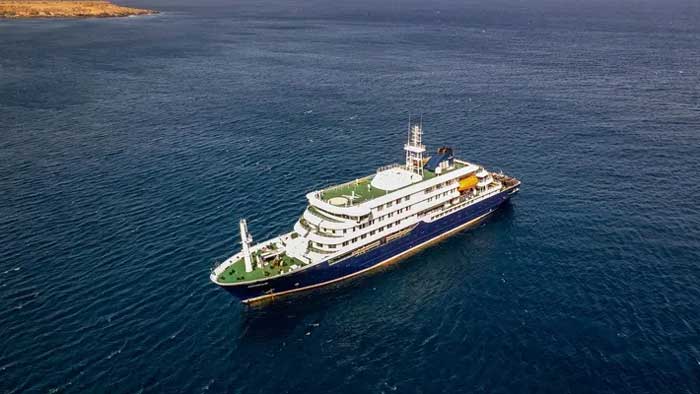
The World Health Organization (WHO) on Thursday declared the deadly hantavirus outbreak linked to the cruise ship MV Hondius officially over after the last person under quarantine completed monitoring without testing positive.
The outbreak, which triggered an international health alert, resulted in 12 confirmed cases and one probable case, including three deaths.
Although the outbreak has ended, WHO officials said efforts to understand how the virus spread and to improve preparedness for future outbreaks are only beginning.
“Today, the final contact of a person exposed to hantavirus on the cruise ship MV Hondius completed their quarantine period, tested negative and returned home,” WHO Director-General Tedros Adhanom Ghebreyesus told a press conference.
“No further cases have been reported since May 25. We are therefore very pleased to say that WHO considers the outbreak of hantavirus over,” he added.
Cruise ship outbreak
The Dutch-flagged MV Hondius departed Ushuaia, Argentina, on April 1 for a polar expedition through remote South Atlantic islands, including Tristan da Cunha, before sailing to Tenerife in Spain’s Canary Islands, where the remaining passengers were evacuated.
The vessel eventually docked in Rotterdam on May 18 and was cleared to resume operations on May 30 following extensive cleaning and disinfection.
Global contact tracing
Tedros said health authorities traced and monitored more than 650 contacts across 33 countries and territories during the international response to the outbreak.
While the immediate public health threat has passed, WHO said it would continue investigating both the outbreak and the virus itself.
“We are also coordinating a study involving 21 countries to understand how the disease develops, which will support the development of diagnostics, therapeutics, and vaccines for future outbreaks,” Tedros said.
Search for vaccines continues
Hantavirus is a rare rodent-borne disease for which there are currently no approved vaccines or specific treatments.
The outbreak aboard the MV Hondius involved the Andes strain of the virus—the only known hantavirus capable of spreading from one person to another.
Investigators initially believed a passenger had contracted the virus while travelling through endemic areas of Argentina. However, Argentina’s health ministry later said an investigation in a second province failed to find virus-carrying rodents, leaving unanswered questions about the source of the outbreak.
Diana Rojas Alvarez, WHO’s lead for high-impact epidemics, said the outbreak could be declared over because it no longer posed a public health risk.
“However, Andes virus and other hantaviruses are still a public health threat for South America and some other endemic areas,” she said.
She stressed that continued surveillance, research and community engagement would be essential to prepare for future outbreaks.
“The work on hantaviruses needs to continue over time,” she said.
WHO also expressed hope that lessons from the outbreak would encourage member states to complete negotiations on the remaining elements of the Pandemic Agreement later this month, allowing the global treaty to become fully operational.
Comments are closed.