

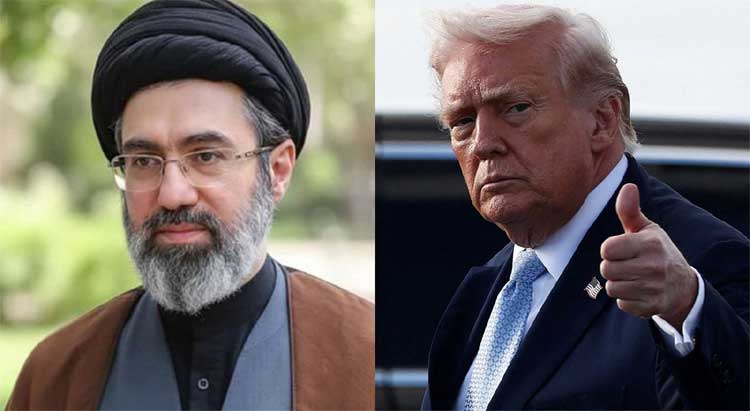
After weeks of diplomacy and claims of a possible breakthrough, the proposed US-Iran agreement remains mired in disputes. US President Donald Trump says a framework has been “largely negotiated”, with discussions involving regional players including Saudi Arabia, Qatar, the UAE and Pakistan. Yet both Washington and Tehran continue to acknowledge that major gaps remain.
The proposed framework reportedly aims to reopen the Strait of Hormuz, extend a ceasefire for 60 days, reduce regional tensions and eventually launch talks over Iran’s nuclear programme. But Iran argues that several core issues remain unresolved and says it will not accept key US conditions without guarantees.
Officials on both sides have described the process as being “very close and very far” from a final agreement.
Why negotiations are stalled
- Dispute over the Strait of Hormuz
Washington wants unrestricted maritime movement through the strategic waterway, while Tehran insists it will retain authority and oversight. Iran is also seeking the removal of the US naval blockade. - Iran’s nuclear programme remains contentious
The US and Israel want Iran to halt uranium enrichment and surrender highly enriched material. Tehran has rejected such commitments at this stage. - Sanctions relief remains a sticking point
Iran wants immediate easing of sanctions and access to frozen assets. The US position is that relief would come only after Tehran meets agreed conditions. - No final agreement exists yet
The current proposal is understood to be a framework or memorandum of understanding rather than a binding settlement, leaving difficult questions for later talks. - Israeli concerns complicate negotiations
Israeli Prime Minister Benjamin Netanyahu has pushed for the complete dismantling of Iran’s nuclear capabilities, a demand Tehran rejects. - Regional conflicts remain unresolved
Iran wants broader de-escalation, including Lebanon. Israel, however, seeks to preserve operational freedom against Hezbollah. - Deep mistrust continues to shape talks
Iran continues to cite Trump’s withdrawal from the 2015 nuclear agreement during his first term as a reason for skepticism. - Disagreement over sequencing
Tehran wants sanctions lifted before major concessions. Washington insists Iran must first meet security and nuclear-related conditions. - Post-war security risks persist
Shipping concerns, reported sea mines and broader maritime tensions have raised economic and security risks that continue to slow progress. - Domestic political pressure on both sides
Hardline factions in both countries remain wary of compromise and could resist concessions.
The Strait of Hormuz has become the central obstacle
The Strait of Hormuz has emerged as the most difficult issue in the negotiations. The passage carries roughly one-fifth of global oil and LNG shipments, making it one of the world’s most strategically important waterways.
Trump has said the agreement would ensure the strait reopens, but Tehran rejects suggestions that it would relinquish control. The US seeks free navigation without restrictions, while Iran maintains that it should retain supervisory authority and potentially impose transit arrangements.
Even if an agreement is reached, disruptions caused by wartime tensions could delay a return to normal shipping operations.
Sanctions are the next major hurdle
Iran argues that meaningful sanctions relief must come early in the process and has demanded access to billions of dollars in frozen funds. Tehran says there can be no durable agreement without economic relief.
Washington’s position remains more conditional, arguing that sanctions easing should follow implementation of key commitments.
Israeli pressure adds another layer
Netanyahu has repeatedly argued that any agreement must fully dismantle Iran’s nuclear infrastructure, including enrichment facilities and existing enriched material. Tehran has dismissed those demands.
Nuclear questions remain unresolved
The nuclear issue continues to sit at the centre of negotiations. The US and Israel maintain that Iran must never acquire nuclear weapons capability. Tehran insists its programme is peaceful and says nuclear concessions are not part of the initial phase of talks.
Analysts argue that if disputes over sanctions, maritime security and nuclear activities can eventually be bridged, the negotiations could evolve into a broader agreement with wider regional implications.
Comments are closed.