
India Set to Benefit from Iran-US Peace Deal, Though Uncertainty Clouds Future

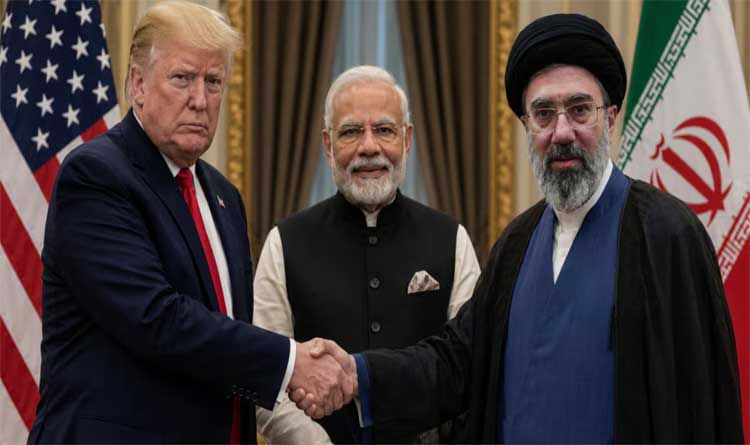
The breakthrough peace agreement between Iran and the United States is expected to ease pressure on India’s economy after months of disruption to energy supplies through the Strait of Hormuz, though questions remain about the durability of the arrangement and its long-term implications.
Following more than three months of conflict, Tehran and Washington agreed on a memorandum of understanding during talks mediated by Pakistan and Qatar. The agreement, set to be formally signed in Geneva later this week, is expected to end the US blockade of Iranian ports and reopen the Strait of Hormuz, a vital energy corridor that handled nearly half of India’s oil imports before hostilities erupted in February.
Prime Minister Narendra Modi joined global leaders in welcoming the deal, stressing the importance of restoring peace and stability in West Asia and ensuring the free flow of trade. In an early sign of renewed confidence, an LNG tanker managed by a consortium led by the Shipping Corporation of India successfully transited the Strait of Hormuz shortly after the agreement was announced, carrying more than 62,000 metric tonnes of liquefied natural gas from Qatar to Gujarat.
While the development has been widely welcomed, industry experts and shipping companies remain cautious. The return to normal maritime traffic could take weeks or even months as markets assess whether the agreement can withstand the deep political and strategic differences between Tehran and Washington.
For India, one of the world’s largest energy importers, the easing of tensions could help lower oil and gas prices, reduce pressure on the rupee and curb inflation risks that intensified during the conflict. The crisis also highlighted India’s heavy dependence on West Asia, which supplies roughly half of its crude oil, 70 percent of its LPG requirements and nearly 90 percent of its LNG imports.
The disruption forced Indian refiners to explore alternative and often costlier sources of energy, including supplies from distant markets. Business leaders have described the agreement as a major breakthrough with positive implications for global trade and economic stability.
New Delhi has carefully balanced its response throughout the conflict, maintaining close relations with the United States and Israel while preserving longstanding ties with Iran and key Arab partners. India repeatedly called for dialogue and diplomacy while also engaging major energy suppliers to safeguard fuel imports and protect economic interests.
The long-term significance of the agreement for India could extend beyond energy security. A lasting settlement that includes the lifting of US sanctions on Iranian oil exports would open the door for India to resume large-scale energy purchases from Iran and advance strategic projects such as the development of Chabahar Port, a key component of the International North-South Transport Corridor linking India with Central Asia and Europe.
Analysts say the episode also carries broader strategic lessons for New Delhi. The conflict demonstrated how disruptions in critical energy routes can reshape global diplomacy and economics, reinforcing the need for India to diversify energy sources while pursuing foreign policy decisions that align closely with its national interests.
For now, the peace deal offers immediate economic relief, but its ultimate value for India will depend on whether the agreement evolves into a durable and sustainable settlement between Tehran and Washington.
Comments are closed.