
Marine heatwaves surge as scientists warn of worsening climate imbalance

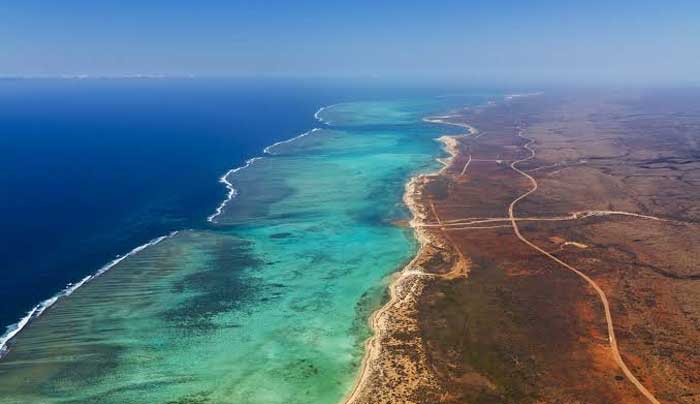
The world’s oceans are experiencing unprecedented levels of warming, with marine heatwaves becoming more frequent, intense and long-lasting as climate change pushes the Earth further out of energy balance, according to scientists.
In 2025, the number of marine heatwave days was more than three times higher than in the early 1990s. These prolonged periods of unusually warm ocean temperatures can devastate marine ecosystems by bleaching coral reefs, destroying kelp forests, disrupting fisheries and, if repeated often enough, causing irreversible ecological damage.
Scientists warn that the consequences extend far beyond the ocean. Marine heatwaves alter ocean chemistry, reduce oxygen levels, affect carbon absorption and can contribute to more extreme weather events on land. Coastal communities that depend on the sea for food and livelihoods often feel the impacts first and most severely.
Researchers say the ocean has absorbed more than 90% of the excess heat trapped by greenhouse gas emissions, effectively shielding humanity from even more severe warming. However, increasing ocean temperatures suggest that this natural buffer is under growing strain.
The findings are highlighted in the latest Indicators of Global Climate Change (IGCC) report, an annual assessment compiled by more than 70 scientists from over 50 institutions worldwide. The report identifies a rapidly widening “Earth energy imbalance” as one of the clearest indicators of climate change.
Earth absorbing more heat than it releases
The Earth’s energy imbalance measures the difference between the amount of solar energy entering the planet and the amount radiated back into space. In a stable climate, these figures are roughly equal. Today, however, greenhouse gas emissions and climate feedback mechanisms are causing far more energy to be retained than released.
Scientists say the imbalance has more than doubled since the late 20th century. Alongside rising greenhouse gas concentrations, factors such as shrinking ice cover, changing cloud patterns and warming soils are amplifying the warming process.
The report estimates that human-induced global warming has now reached approximately 1.37°C above pre-industrial levels.
Sea levels rise at accelerating pace
The growing energy imbalance is also accelerating sea-level rise. According to the report, global sea levels have risen by a record 23 centimetres since 1901, with the rate of increase more than doubling in recent decades.
Higher sea levels are worsening coastal flooding, increasing storm-surge risks and threatening low-lying communities around the world.
Climate monitoring networks face cuts
Scientists also expressed concern over reductions in climate-monitoring infrastructure, including plans to scale back several ocean-observation sites in the Pacific and Atlantic oceans.
Researchers warn that cutting monitoring programmes could weaken the world’s ability to track critical climate indicators at a time when accurate data is needed most.
Despite the alarming trends, scientists stress that the situation is not beyond repair. They argue that governments, businesses and citizens still have the tools to reduce emissions, limit warming and help restore balance to the climate system.
The report concludes that while many key climate indicators are flashing red, decisive action can still slow the pace of change and reduce future risks.
Comments are closed.