
US-Iran talks open in Switzerland as fragile ceasefire faces fresh challenges over Hormuz and Lebanon

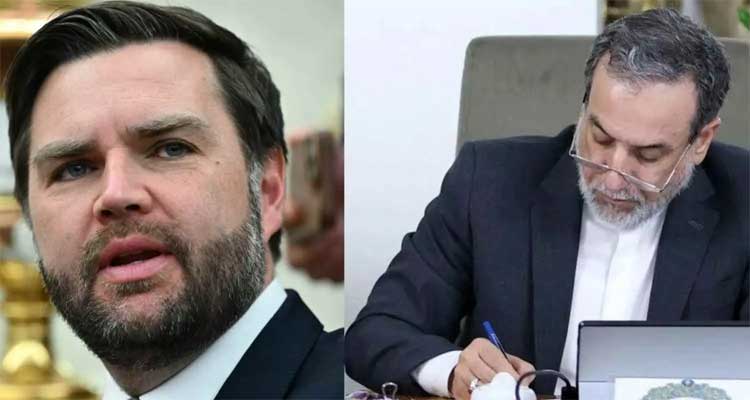
US and Iranian negotiators were set to begin talks in Switzerland on Sunday in an effort to strengthen a fragile ceasefire and move toward a wider agreement on Iran’s nuclear programme and regional security.
The negotiations follow an interim deal brokered by Pakistan and signed this week by US President Donald Trump and Iranian President Masoud Pezeshkian, ending nearly four months of conflict between Washington and Tehran. The agreement gives both sides a 60-day period for further diplomacy.
Strait of Hormuz dispute adds tension
The talks were overshadowed by a dispute over the strategic Strait of Hormuz after Iran’s Islamic Revolutionary Guard Corps and military officials claimed the waterway had been closed in response to what Tehran called Israeli violations of ceasefire commitments in Lebanon.
Iran argued that the ceasefire required fighting to stop across all fronts, including Lebanon, and accused the US of failing to ensure Israel followed the terms.
Washington rejected the claim, saying Iran does not control the vital shipping route.
US Central Command spokesperson Capt. Tim Hawkins said commercial vessels were still passing through the strait. The command reported that 55 merchant ships carrying more than 17 million barrels of oil crossed the waterway on Saturday.
The Strait of Hormuz is one of the world’s most important energy routes, carrying a major share of global oil and liquefied natural gas shipments.
Trump said shipping through the strait would remain free during the ceasefire period but suggested the US could introduce transit fees in the future if negotiations fail, arguing that American forces provide security for the route.
Leaders send top delegations
Iran’s delegation, led by parliamentary speaker Mohammad Baqer Qalibaf, arrived in Switzerland ahead of the talks. It includes Foreign Minister Abbas Araqchi along with senior officials from security, energy and financial sectors.
US Vice President JD Vance traveled to join American envoys Steve Witkoff and Jared Kushner, who were already present.
Pakistan’s Prime Minister Shehbaz Sharif and Army Chief Field Marshal Asim Munir also traveled to Switzerland, while Qatari mediators are expected to take part.
Vance said he hoped the discussions would make progress on the nuclear issue and the Lebanon ceasefire, warning that talks could continue for several days.
Iranian Foreign Ministry spokesman Esmaeil Baghaei said Tehran would push for implementation of existing commitments, cautioning that failure could threaten the wider agreement.
Lebanon remains key challenge
Violence in Lebanon continues to threaten the ceasefire effort. Lebanese authorities reported at least 16 deaths from Israeli strikes on Saturday, while other reports put the toll at around 20.
Israel said its operations were in response to attacks by Hezbollah, while Hezbollah said it would not allow Israel freedom of movement inside Lebanese territory.
An Israeli military official said Hezbollah had launched more than 50 projectiles overnight, prompting strikes against what Israel described as Hezbollah targets.
Israeli officials said they had received instructions to reduce offensive operations but would continue responding to security threats. Prime Minister Benjamin Netanyahu has said Israeli forces will remain in parts of southern Lebanon until security concerns are resolved.
The Lebanon conflict remains complicated because neither Israel nor Hezbollah is a party to the US-Iran agreement.
Nuclear deal remains the main goal
The Switzerland talks are expected to focus on maintaining the ceasefire, preventing further escalation in Lebanon and negotiating a long-term framework for Iran’s nuclear programme.
The interim deal also includes possible economic relief measures for Tehran, including renewed oil exports and access to frozen funds.
While both sides have expressed cautious optimism, the Strait of Hormuz dispute and continued fighting in Lebanon highlight the difficulties facing negotiators as they try to transform a temporary truce into a lasting regional agreement.
Comments are closed.