
Ebola outbreak in DR Congo nears 1,000 cases as deaths rise and fears grow over spread in crowded camps

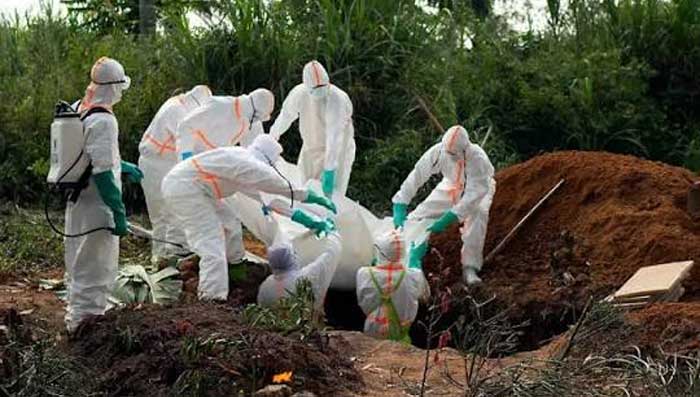
The Democratic Republic of Congo on Saturday reported that confirmed Ebola cases had increased to 956, including 247 deaths, up from 933 cases and 245 deaths reported a day earlier.
At least 30 people have died since the beginning of May in Kigonze camp for displaced civilians in northeastern Congo, with camp officials describing the death toll as unprecedented. Some victims have tested positive for Ebola, raising fears that the virus may be spreading rapidly among vulnerable communities.
Kigonze camp in Bunia, the epicentre of the outbreak in Democratic Republic of the Congo, has more than 15,000 residents. Authorities were unable to confirm the cause of every death because some patients and families had refused testing until Thursday, according to camp officials and aid workers.
Residents reported symptoms including headaches, fever and vomiting — signs associated with Ebola. “People didn’t just die like this before,” camp spokesperson Desire Grodya Bapi told Reuters.
Deaths raise alarm in overcrowded camp
Camp officials said 10 people were buried in just one week, compared with the usual one to three deaths recorded each month.
Justin Zanamuzi, director of Catholic aid group Caritas, said aid workers saw multiple bodies covered in sheets, including a pregnant woman and children.
Video verified by Reuters showed health workers in protective suits disinfecting bodies and preparing small coffins as mourners gathered.
The outbreak was officially declared on May 15, though Congolese officials said deaths had started earlier in the month. Health workers collected samples from five victims, with some testing positive for Ebola, according to camp officials and aid sources.
Kato Lonu, a 47-year-old camp resident who lost two children, including a six-month-old baby, described the situation as unbearable. “People are dying one after another,” he said.
Poor sanitation increases risks
Aid workers warned that worsening conditions in displacement camps are making it harder to control the outbreak. They blamed reduced funding for water, sanitation and hygiene services, which are critical in preventing the spread of Ebola through bodily fluids.
UN data showed funding for toilets and handwashing facilities in Congo fell by more than half between 2024 and 2025, reaching around $38 million. This year’s $80 million humanitarian appeal is only partially funded.
In Kigonze, families live in crowded plastic tents, with children walking through dirt pathways and sanitation facilities struggling to cope.
Some toilets built with support from USAID remain in the camp, but residents said there are not enough facilities and many overflow.
“The latrines fill up very quickly, and people have to empty them themselves, with their bare hands,” Grodya said.
Cuts to aid programmes deepen concerns
The United States has historically been a major supporter of water, sanitation and hygiene programmes in Congo, providing more than $60 million in such services in 2024.
The administration of Donald Trump has defended cuts to foreign aid, saying it wants to focus on highly prioritised humanitarian assistance. Washington has committed more than $375 million in direct Ebola funding.
Aid organisations including Mercy Corps, Danish Refugee Council, CARE International and Oxfam said US-funded sanitation projects in Ebola-affected provinces had been reduced or halted following funding cuts.
Mercy Corps said it previously built hundreds of toilets and water points serving more than 125,000 displaced people, but funding reductions have sharply limited current services.
Comments are closed.