
No sick leave without proof? Germany plans tougher workplace rules under Merz

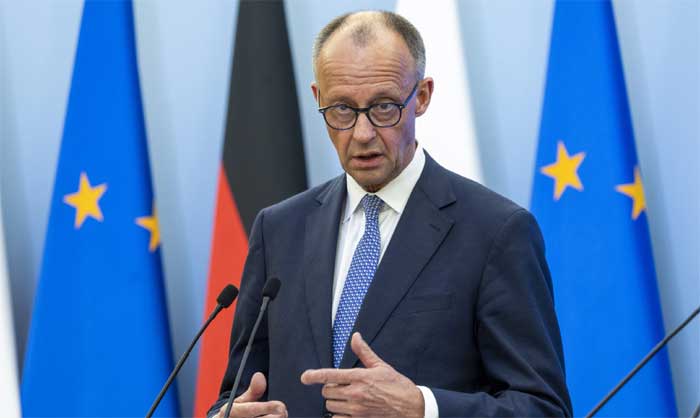
Workers in Germany may soon face stricter sick leave rules, with the government planning to end the practice of calling in sick over the phone. Under the proposed reforms, employees would be required to submit a medical certificate from the very first day of illness, according to Reuters.
The proposal is part of German Chancellor Friedrich Merz‘s sweeping 34-point reform package aimed at reviving Europe’s largest economy through changes to labour laws, taxation and pensions while reducing bureaucracy.
“We are working to cut red tape. We are working to protect our welfare state, and we are working to ease the burden on employees and companies by lowering taxes,” Merz said.
The chancellor said the government intends to push the main elements of the package through parliament before the end of the year. The ruling coalition has reached agreement on the reforms, marking a significant step in its efforts to boost growth, create jobs and improve competitiveness while addressing the country’s economic slowdown and the rise of the far right.
More flexible hiring and dismissal rules
The labour reforms would also give employers greater flexibility in hiring and workforce management. Companies would be allowed to offer fixed-term contracts of up to four years for new employees until 2030. The package also proposes easing dismissal-with-compensation rules for very high-income employees.
“We are working to increase the flexibility of our businesses,” Merz said, according to AFP.
Tax cuts, higher taxes for top earners and pension changes
The reform package includes income tax cuts worth €10 billion ($11.4 billion), funded by higher taxes on individuals earning more than €250,000 annually.
Finance Minister and Vice Chancellor Lars Klingbeil said wealthier Germans would shoulder a greater share of the tax burden.
“The highest earners in this country will take on a larger share of the tax burden. That is fair, so that our country can move forward,” Klingbeil said.
The package also proposes long-term changes to the pension system, with the retirement age eventually set to rise beyond 67 as Germany grapples with demographic pressures and slowing economic growth.
Comments are closed.