
Doctor explains why sarcoma is hard to detect and the symptoms you shouldn’t ignore

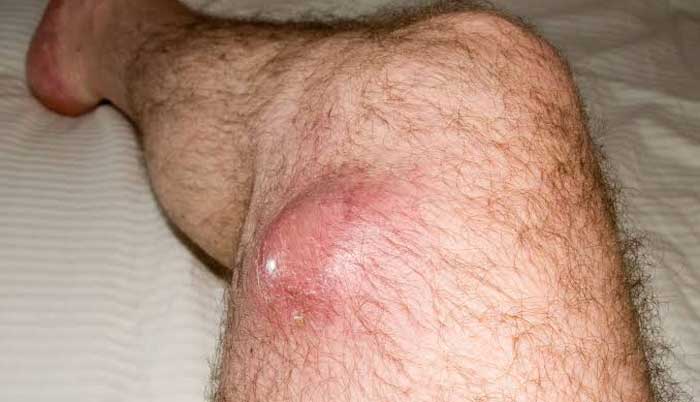
A lump under the skin is often harmless, but in some cases it can be an early warning sign of sarcoma, a rare form of cancer that develops in the body’s connective tissues, according to Dr. Rohela.
Speaking to HT Lifestyle, the doctor said sarcomas arise in muscles, fat, nerves, blood vessels, deep skin tissues or bones and are frequently mistaken for benign swellings, delaying diagnosis.
“While sarcomas are uncommon, they deserve attention as they can be easily mistaken for everyday swellings,” he said, adding that any lump that is growing, deep-seated, painful or unusual should be evaluated by a doctor.
Why sarcoma is often missed
According to Dr. Rohela, soft tissue sarcomas often develop silently and may remain painless in their early stages, making them difficult to detect.
“Patients may not experience fever, weakness or any obvious illness, so they often delay seeking medical advice,” he explained. In many cases, the lump is only noticed once it has grown large enough to affect movement, compress nearby nerves or cause visible swelling.
Bone sarcomas, however, may present differently. They can cause persistent pain, swelling, tenderness or difficulty using the affected limb. Such symptoms are often mistaken for sports injuries, ageing or minor trauma but typically do not improve over time.
Warning signs that need medical attention
Dr. Rohela advised getting a lump examined if it:
- Continues to grow over days, weeks or months.
- Feels deep within the muscle rather than just beneath the skin.
- Is unusually large or measures more than a few centimetres.
- Causes pain, pressure, numbness or restricted movement.
- Returns after having been removed previously.
- Appears without a clear injury or persists after an injury has healed.
- Is accompanied by persistent bone pain or swelling.
“Not every lump with these features is cancer, but they should always be properly evaluated,” he cautioned.
Why early diagnosis matters
Early detection significantly improves treatment outcomes for sarcoma, Dr. Rohela said.
Diagnosis may involve a physical examination, imaging tests such as MRI or CT scans, and a biopsy. He stressed that biopsies and surgery should be carefully planned by specialists because removing a suspicious lump without proper evaluation can complicate future treatment.
Depending on the type, size, location and stage of the disease, treatment may include surgery, radiation therapy, chemotherapy, targeted therapy or a combination of these approaches.
The doctor emphasised that ignoring a persistent lump can delay diagnosis and treatment. If a swelling is growing, painful, deep-seated or unexplained, seeking timely medical advice can make a significant difference.
Comments are closed.