
Breast Self-Examination: A Simple Guide for Women to Spot Early Warning Signs of Breast Cancer

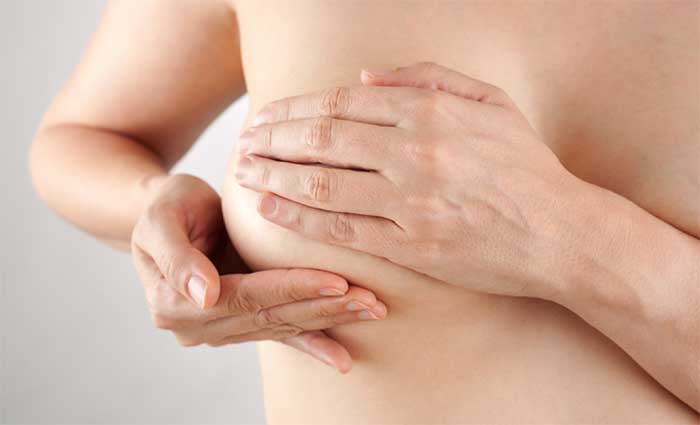
Breast cancer is one of the most common cancers affecting women worldwide. Early detection plays a crucial role in improving treatment outcomes and survival rates. One simple step women can take to become more aware of their breast health is breast self-examination (BSE).
Breast self-examination involves checking your breasts regularly for unusual changes, lumps, swelling or other warning signs that could indicate a health problem. Although it cannot replace medical examinations or mammograms, it can help women recognise changes early and seek medical advice when necessary.
What Is Breast Self-Examination?
Breast self-examination is a simple way to become familiar with the normal appearance and feel of your breasts. It involves looking at and gently feeling the breasts and the surrounding areas, including the armpits, to notice any unusual changes.
The aim is not to diagnose cancer at home but to recognise warning signs and consult a doctor without delay.
How to Perform a Breast Self-Examination
Women can follow these steps to check for noticeable changes:
1. Stand in front of a mirror
Stand straight with your arms relaxed at your sides. Observe both breasts for changes in size, shape, colour or appearance.
2. Raise your arms
Raise both arms above your head and look for unusual changes, including skin dimpling, swelling or changes in the position of the nipples.
3. Check your breasts using your fingers
Use the pads of your three middle fingers to gently feel your breasts. Move your fingers in small circular motions and cover the entire breast, from the collarbone to the lower breast and towards the armpit.
4. Check while lying down
Lie down and place a pillow under one shoulder. Raise the arm on the same side and use your opposite hand to gently examine the breast. Repeat on the other side.
5. Check the nipple area
Look for unusual changes, including a newly inverted nipple, rash or unexpected discharge. Avoid squeezing the nipple repeatedly.
Warning Signs of Breast Cancer You Should Never Ignore
Some common warning signs include:
-
A new lump or hard mass in the breast or armpit.
-
Unexplained changes in breast size or shape.
-
Dimpling, puckering or thickening of breast skin.
-
A nipple that suddenly turns inward.
-
Unusual discharge from the nipple, particularly bloody discharge.
-
Persistent pain in the breast or armpit.
-
Redness, swelling, irritation or a rash around the nipple.
Not every lump or breast change indicates cancer. However, any new or unusual change should be evaluated by a qualified healthcare professional.
What Is the Best Time to Examine Your Breasts?
For women who menstruate, checking breast changes a few days after the menstrual period, when tenderness and swelling are generally lower, can make examination easier.
Women who have reached menopause can choose a convenient day each month to become familiar with their normal breast appearance and feel.
Is Breast Self-Examination Enough to Detect Breast Cancer?
No. Breast self-examination should not be considered a substitute for medical screening.
The American Cancer Society states that regular breast self-examinations have not been shown to reduce breast cancer deaths. However, being familiar with your breasts and recognising unusual changes remain important.
Depending on age, family history and individual risk factors, doctors may recommend clinical breast examinations, mammography or other investigations. Women with a strong family history of breast cancer should discuss an appropriate screening plan with their doctor.
Who Is at Higher Risk of Breast Cancer?
Several factors can increase the risk of developing breast cancer, including:
-
Increasing age.
-
A family history of breast or ovarian cancer.
-
Inherited genetic changes, such as BRCA1 and BRCA2 mutations.
-
Previous breast cancer.
-
Certain hormonal factors.
-
Alcohol consumption.
-
Being overweight, particularly after menopause.
-
Lack of physical activity.
Having one or more risk factors does not necessarily mean someone will develop breast cancer. Similarly, women without known risk factors can also develop the disease.
Ministry of Health and Family Welfare+1
When Should You Visit a Doctor?
If you notice a new lump, unusual nipple discharge, skin changes, persistent pain or any other unexplained breast abnormality, consult a doctor promptly. Do not wait for the next monthly self-check.
Early medical evaluation can help identify the cause of the change and ensure timely treatment if necessary.
Comments are closed.