

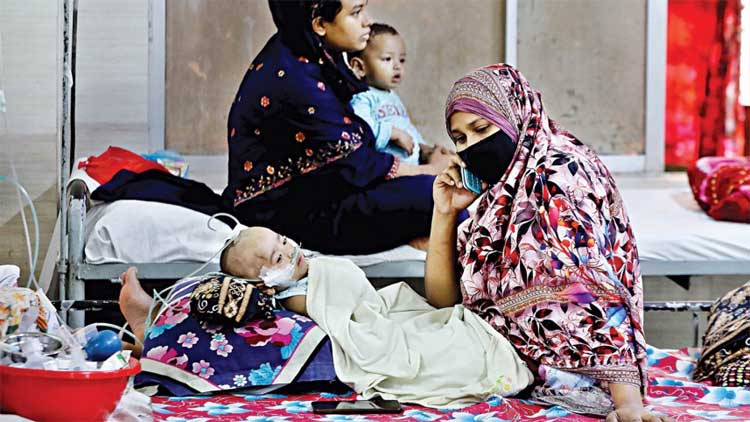
Bangladesh is grappling with its most severe measles outbreak in years, with health officials linking the surge to disruptions in a nationwide vaccination campaign. In response, authorities have launched an emergency immunization drive targeting 20 million children.
According to government data, more than 15,600 suspected measles cases have been recorded since mid-March, with at least 179 children dying from measles-like symptoms. Confirmed infections have crossed 2,600 — a dramatic rise compared to just 125 cases reported in all of 2025.
Medical experts say the scale of the outbreak is unprecedented in recent memory. Doctors are reporting a steady influx of young patients showing classic measles symptoms such as fever, cough, runny nose, and red eyes, while some cases are progressing to severe complications like pneumonia, breathing difficulties, and dangerously low oxygen levels — conditions that can turn fatal, particularly in children under five.
Measles, a highly contagious airborne disease, has historically been kept under control in Bangladesh through routine immunization. Children typically receive two doses of the vaccine in early childhood, starting at nine months of age. However, even minor gaps in coverage can quickly trigger outbreaks.
Public health specialists point to delays in a scheduled mass immunization campaign as a key factor behind the current crisis. Such nationwide drives are usually conducted every four to five years to reinforce immunity, but the last one took place in 2020. The follow-up campaign due in 2024–25 was postponed amid vaccine shortages and a period of political instability marked by widespread protests, a change in government, and a caretaker administration.
Authorities have now begun rolling out the delayed campaign, initially focusing on the hardest-hit regions before expanding it nationwide from April 20. The goal is to vaccinate 20 million children, with the drive expected to conclude before Eid al-Adha in late May.
Officials remain cautiously optimistic, saying the situation should improve within weeks as coverage increases. They are relying on the country’s long-standing immunization network, built under the Expanded Program on Immunization (EPI), which has been instrumental in raising vaccination coverage from just 2 percent in the 1980s to around 90 percent today.
Comments are closed.