
Behind Thailand’s neon nightlife: How underage girls are exploited in a global sex tourism hotspot

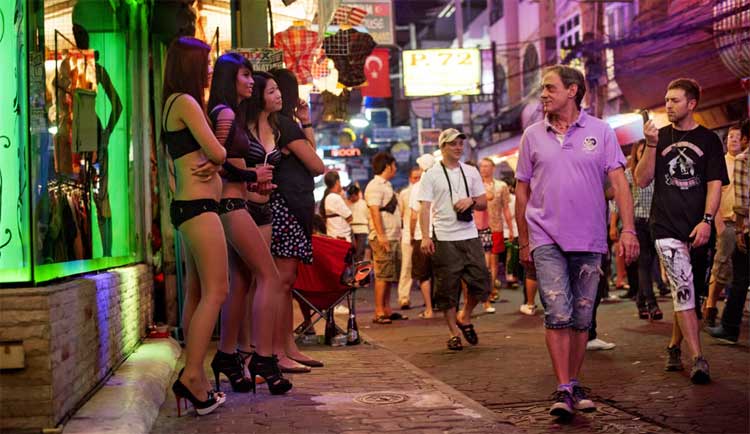
Behind the neon signs, crowded bars and booming music that draw millions of visitors to Thailand every year lies a darker reality. Rights groups and law enforcement agencies have repeatedly warned that children, particularly girls, remain vulnerable to sexual exploitation despite years of government crackdowns and tougher anti-trafficking laws.
Thailand has long been one of Southeast Asia’s biggest tourism destinations. While the vast majority of visitors come for its beaches, culture and cuisine, parts of its nightlife industry—especially in entertainment districts such as Pattaya—have also become associated with commercial sex. Child protection advocates say that although authorities have made progress, criminal networks continue to exploit vulnerable minors through hidden and increasingly online operations.
Exploitation hidden behind entertainment
Advocacy organisations say many underage victims come from impoverished families or marginalized communities. Some are lured with promises of legitimate jobs, while others are coerced through debt, deception or trafficking networks.
Unlike the highly visible nightlife venues, experts say child exploitation is often concealed in private apartments, informal venues or arranged through encrypted messaging apps and social media, making it harder for authorities to detect.
Authorities step up enforcement
Thai police have intensified anti-trafficking operations in recent years, conducting raids, rescuing victims and prosecuting suspects. Officials have also increased cooperation with international law enforcement agencies to identify offenders, including foreign nationals who travel to Thailand to abuse children.
Child protection groups, however, say enforcement alone is not enough. They argue that stronger victim support, better education, improved economic opportunities and cross-border cooperation are essential to reduce the risk of exploitation.
Technology changes the threat
Investigators say the internet has transformed how offenders operate. Recruitment, communication and payments increasingly take place online, allowing traffickers to move victims more discreetly and making investigations more complex.
Experts also warn that the live-streaming of child sexual abuse has emerged as a growing global concern, requiring coordinated action from governments, technology companies and financial institutions.
Survivors need long-term support
Rescued children often require extensive medical care, psychological counselling, legal assistance and educational support. Child welfare organisations stress that rehabilitation is a long-term process and that protecting survivors from stigma is just as important as prosecuting perpetrators.
They also emphasize that preventing exploitation requires addressing poverty, improving access to education and strengthening community-based child protection systems.
A global challenge
Child sexual exploitation is not unique to Thailand. International organisations describe it as a worldwide crime driven by trafficking networks, online abuse and demand from offenders across multiple countries. Experts say sustained international cooperation, stronger enforcement and survivor-centred support remain critical to protecting vulnerable children.
If you or someone you know suspects a child is being exploited, report it immediately to local law enforcement or child protection authorities. Avoid sharing images or identifying details of suspected victims to protect their privacy and safety.
Comments are closed.