
Human-caused climate change made Europe’s devastating wildfires far more likely, scientists say

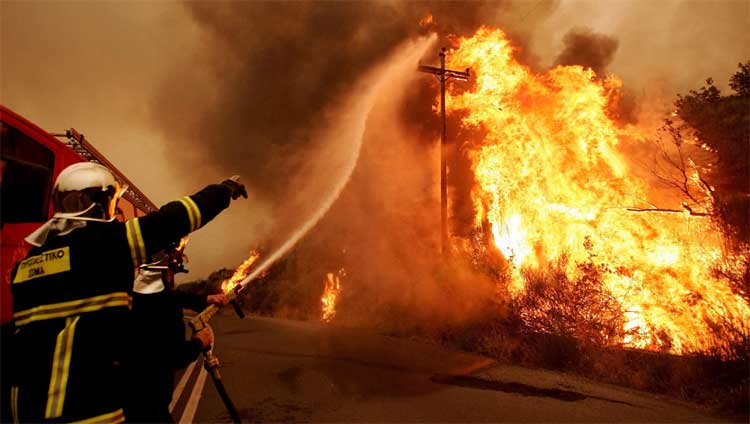
Europe’s devastating wildfire seasons are becoming increasingly intense, and scientists say human-caused climate change is a major reason why. Rising global temperatures, prolonged droughts and more frequent heatwaves have created conditions that allow fires to ignite more easily, spread faster and burn with greater intensity across the continent.
From Mediterranean countries such as Greece, Spain, Portugal and Italy to parts of France and the Balkans, large wildfires have scorched forests, destroyed homes and forced thousands of people to evacuate in recent years. Researchers say these events are no longer isolated disasters but part of a broader trend linked to a warming climate.
Hotter temperatures fuel bigger fires
Scientists explain that higher temperatures increase evaporation, leaving vegetation drier and more flammable. Combined with prolonged periods of low rainfall, forests and grasslands become ideal fuel for wildfires.
Heatwaves—now more frequent and longer-lasting across Europe—further worsen the situation by reducing soil moisture and drying out trees and shrubs. Strong winds can then rapidly spread flames across vast areas, making fires difficult to contain.
Climate change increases fire risk
Climate attribution studies have found that human-driven global warming has significantly increased the likelihood of extreme fire weather in many parts of Europe. While wildfires can occur naturally, experts say climate change has made the environmental conditions that support large, destructive fires much more common.
Scientists note that climate change does not directly ignite fires. Instead, it creates hotter and drier conditions that make fires more likely to start and spread once an ignition source—such as lightning or human activity—is present.
Environmental and economic costs
Wildfires release massive amounts of carbon dioxide into the atmosphere, further contributing to climate change. They also destroy wildlife habitats, reduce biodiversity and leave landscapes vulnerable to erosion and flooding.
The economic toll is equally severe. Fires damage homes, farms, tourism infrastructure and public utilities, while firefighting and recovery efforts cost governments billions of euros each year.
Communities face growing health risks
Beyond the immediate threat of flames, wildfire smoke poses serious health risks. Fine particulate matter can worsen asthma, heart disease and other respiratory illnesses, particularly among children, older adults and people with pre-existing medical conditions.
Public health officials increasingly advise residents in affected areas to stay indoors, use air filtration where possible and follow evacuation orders when issued.
Adapting to a warmer future
Experts say reducing greenhouse gas emissions remains essential to limiting future warming. At the same time, governments are being urged to strengthen wildfire preparedness through better forest management, early warning systems, improved firefighting resources and climate-resilient land-use planning.
Scientists also emphasize the importance of restoring forests, protecting wetlands and improving community awareness to reduce wildfire risks.
As Europe continues to experience record-breaking heat and increasingly severe wildfire seasons, researchers warn that without meaningful climate action, extreme fire conditions are likely to become more frequent in the decades ahead.
Comments are closed.