
Climate change: A growing public health emergency

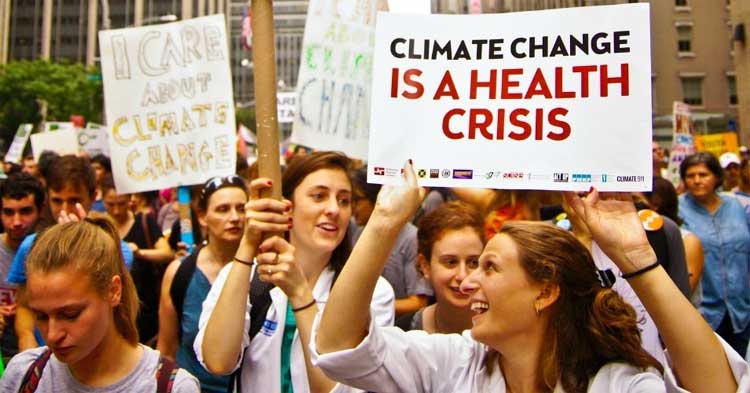
When climate change is discussed, the focus often settles on rising seas or extreme weather. Sometimes, the economic toll of such disasters enters the conversation. Far less attention, however, is given to another unfolding crisis — the far-reaching impact of climate change on human health. As planetary patterns shift, they are not only intensifying existing diseases but also creating conditions for new health threats to emerge.
In India, this reality is becoming increasingly visible. Frequent and severe waterlogging in cities such as Mumbai is creating fertile ground for waterborne diseases like cholera, typhoid, hepatitis A and leptospirosis. Overburdened sanitation systems, contaminated water supplies and prolonged stagnation are leaving urban populations more vulnerable to infection.
At the other extreme, drought-prone regions are grappling with worsening water scarcity. Communities are often forced to rely on unsafe water sources, increasing the incidence of diarrhoeal diseases and chronic dehydration.
Expanding disease risk
Shifting seasonal patterns are further complicating the public health landscape. Changes in temperature and rainfall are driving a rise in infections, allergies and vector-borne diseases, as traditional disease cycles become less predictable. The geographic spread of illnesses is expanding, exposing populations with little prior immunity while straining underprepared healthcare systems.
Mosquito-borne diseases offer a stark example. Rising temperatures have expanded habitable zones for mosquitoes, altering infection timelines. In Delhi NCR, dengue cases — once peaking around September — are now surging as late as November, sustained by warmer and wetter conditions.
Similarly, malaria, historically concentrated in the Gangetic plains and central India, is now being reported in cooler regions such as Himachal Pradesh, where it had minimal presence in the past.
Air pollution and systemic health risks
Climate change is also worsening air quality. Hotter summers are increasing reliance on cooling systems, driving up energy consumption and emissions. This, in turn, raises levels of fine particulate matter, particularly PM2.5 — microscopic pollutants that penetrate deep into the lungs and bloodstream.
These particles inflame lung tissue, reduce respiratory function, and aggravate conditions such as asthma and chronic obstructive pulmonary disease. Their impact extends beyond the lungs: they damage blood vessels, accelerate atherosclerosis, and increase the risk of hypertension, heart attacks and strokes. Long-term exposure can also impair kidney function and contribute to chronic kidney disease.
At the same time, greenhouse gases intensify heat retention, creating a feedback loop that worsens the crisis. Heat stress places additional strain on the cardiovascular system, particularly among outdoor workers and those without adequate shelter.
Regions such as Odisha, Telangana and Vidarbha are already witnessing a rise in heatstroke-related deaths. In dense urban areas like Delhi NCR and Mumbai, rising night-time temperatures are erasing the body’s natural recovery window, compounding health risks.
Infants are particularly vulnerable. Exposure to extreme heat and polluted air has been linked to preterm births and low birth weight, raising concerns about long-term developmental outcomes.
Impact on food security and nutrition
The health consequences of climate change extend into food systems. Erratic weather and unseasonal rainfall disrupt agricultural cycles, reducing yields and driving up food prices. At the same time, the nutritional quality of crops is declining, contributing to hidden hunger in the form of micronutrient deficiencies.
Heat stress is also affecting livestock, reducing milk production and further compromising nutrition for children. These cascading impacts weaken immunity and increase susceptibility to disease, particularly among the most vulnerable — children and the elderly.
A public health emergency in plain sight
The warnings have existed for decades, but the scale of the crisis is now undeniable. Climate change is no longer a distant environmental concern — it is an immediate and multifaceted public health emergency.
Treating it solely as an ecological issue risks overlooking its profound human cost. Recognising climate change as a medical crisis is essential to mounting a response that matches its urgency and scale.
Comments are closed.