
Congo’s Ebola outbreak reaches sixth province after first death in Bas-Uele

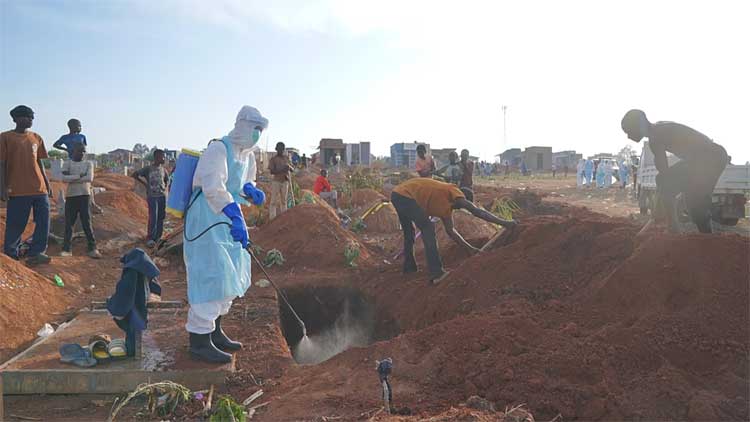
Congo’s Ebola outbreak has spread to a sixth province after a man died in Bas-Uele, a previously unaffected region, Africa CDC Director-General Jean Kaseya said Thursday.
Kaseya said the man had travelled from Isiro in neighbouring Haut-Uele province to Buta, the capital of Bas-Uele, where he later died.
The outbreak in eastern Congo is rapidly expanding and could surpass the deadliest Ebola outbreak in history, which killed more than 11,000 people in West Africa between 2014 and 2016, the World Health Organization warned Wednesday.
The current outbreak, caused by the rare Bundibugyo strain of the Ebola virus, has killed more than 2,100 people among over 4,500 reported cases, according to the latest government figures. The death toll has been reached nearly three times faster than during the 2014-16 West African outbreak. There are currently no approved vaccines or treatments specifically for the Bundibugyo virus.
The outbreak is unfolding amid severe challenges, including strikes by unpaid health workers, threats from rebel groups, mistrust among communities traumatised by years of conflict and misinformation claiming that Ebola does not exist.
With Bas-Uele now affected, six of Congo’s 26 provinces have reported cases or deaths linked to the outbreak. In Ituri province, one of the worst-affected areas, health workers at the Nizi Treatment Center went on strike Thursday over three months of unpaid salaries, forcing the facility to temporarily close.
Health authorities remain concerned that the official figures may significantly underestimate the true scale of the outbreak. Although the outbreak was declared on May 15, WHO said genetic sequencing indicates that it began months earlier, in February.
Between 60% and 70% of new cases are reportedly being detected among people who were not previously identified as contacts, making containment increasingly difficult. Health officials have described the spread as occurring at an “alarming” rate.
“We are chasing the virus; the virus is ahead of us,” WHO regional director for Africa Dr Mohamed Yakub Janabi said this week.
Ebola is highly contagious and can spread through contact with infected bodily fluids, including blood, vomit and semen, as well as contaminated materials such as clothing and bedding. The disease can cause severe illness and is frequently fatal.
Clinical trials of two potential treatments for the Bundibugyo strain began last month in Ituri, the province that has recorded the highest number of cases among the five provinces previously affected by the outbreak.
Comments are closed.