
Countdown to Iran ceasefire: The 90 minutes that stopped a war

It was nearing 6:30 pm in Washington, D.C.. The clock was ticking — just 90 minutes remained before Donald Trump’s deadline for a potentially devastating strike on Iran.
That morning, Trump had posted a stark warning on Truth Social: “A whole civilisation will die tonight, never to be brought back again.” Eleven words, issued without diplomatic cushioning, that seemed to put an entire nation of nearly 90 million at risk.
The deadline was set for 8:00 pm Eastern Time. Targets reportedly included bridges, power plants and water infrastructure. Trump had already pointed to the destruction of a bridge near Tehran as a sign of what could follow.
As the world watched, a senior US official told Fox News that talks were ongoing and “positive”—but added a telling caveat: “If we get lucky.”
Tehran braces
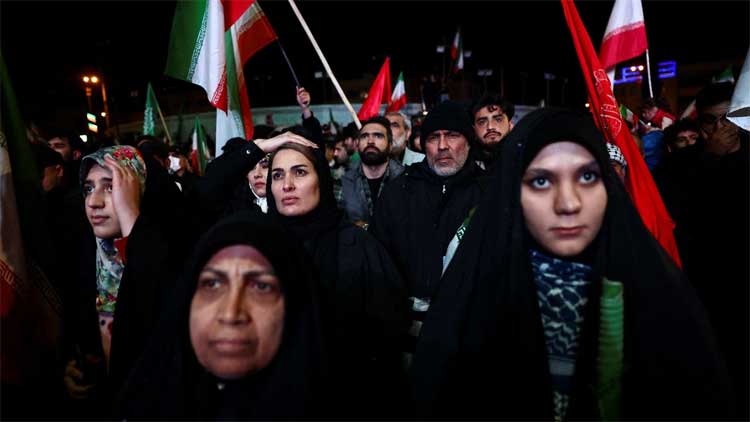
In Tehran, preparations took a symbolic and human turn. Authorities called on citizens to form protective lines around critical infrastructure. At sites like the Kazerun power plant, civilians gathered in human chains, standing guard over facilities that sustain hospitals, water systems and daily life.
State media broadcast the scenes, even as strikes by the United States and Israel continued, targeting railways, bridges and energy hubs such as Kharg Island.
Officials in Tehran dismissed the threats as intimidation, insisting the country would not yield to deadlines.
A last-minute diplomatic push
Away from the brink, a parallel effort unfolded in Islamabad. Shehbaz Sharif proposed a two-week ceasefire, urging both sides to pause and calling for Iran to reopen the Strait of Hormuz as a goodwill gesture.
The proposal reached Washington, where Karoline Leavitt said the president was considering it—offering a potential off-ramp that avoided the optics of retreat.
Behind closed doors, Iran had already shared a 10-point proposal via intermediaries. While initially dismissed as too demanding, it included a key concession: safe passage through the Strait of Hormuz.
Inside the White House, debate intensified. Hardliners pushed for maximum pressure, while others argued for seizing a workable deal.
The announcement
At 6:32 pm—just 90 minutes before the deadline—Trump posted again.
He announced a two-week suspension of strikes, citing conversations with Pakistan’s leadership, including Sharif and military chief Asim Munir. The pause, he said, was conditional on Iran ensuring the “complete, immediate, and safe” reopening of the Strait of Hormuz.
He framed the move as a success, saying US objectives had been met and describing Iran’s proposal as a “workable basis” for talks.
Iran responds
Iran’s foreign minister, Abbas Araghchi, quickly signalled conditional acceptance: if attacks stopped, Iran’s forces would halt their operations and allow safe passage through the Strait for two weeks.
Both sides claimed victory—Washington highlighting concessions, Tehran presenting the outcome as validation of its stance.
Markets reacted instantly. Oil prices fell sharply, while US stock futures surged, reflecting a collective sigh of relief.
A fragile pause
Even after the ceasefire took effect, sporadic strikes continued—underscoring how difficult it is to halt conflict in real time. Some actions were attributed to delays in command chains within the Islamic Revolutionary Guard Corps.
Benjamin Netanyahu, despite reservations, aligned with the pause as Israeli operations wound down.
Sharif moved quickly to build on the momentum, inviting both sides to Islamabad for talks—already being dubbed the “Islamabad Talks.”
A moment of relief
Across Iran, word of the pause spread rapidly. At power plants and public spaces, people who had gathered in anticipation of the worst began to disperse.
For now, the strikes had been called off. The deadline passed without catastrophe. And, at least temporarily, the clock stopped ticking.
Comments are closed.