
Diarrhoea or gut infection? Doctor explains the warning signs you shouldn’t ignore

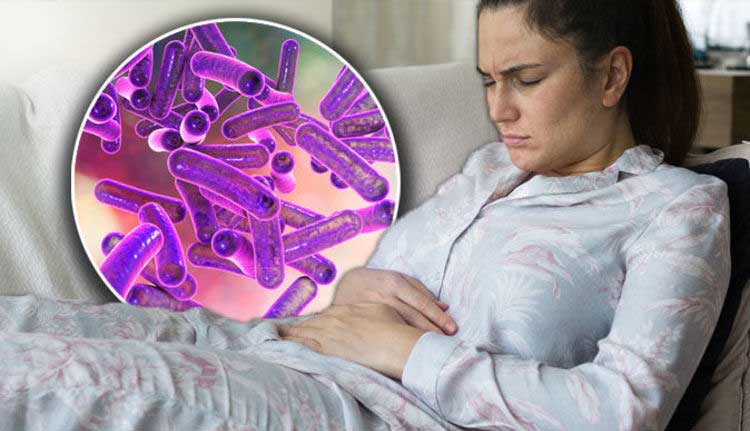
Diarrhoea is common and often resolves on its own, but persistent symptoms or signs such as dehydration, fever or blood in the stool could indicate a more serious intestinal infection, according to Dr Sudhakar Ranpise, Senior Consultant, Internal Medicine at Surya Sahyadri Hospital.
In an interview with HT Lifestyle, the doctor explained how to distinguish between a routine bout of diarrhoea and a potentially dangerous gut infection.
What is normal diarrhoea?
Dr Ranpise said most cases of diarrhoea are caused by viral infections, overeating, food intolerance or a temporary stomach bug. Symptoms are usually mild and include loose stools and slight abdominal discomfort. Most people recover with adequate hydration and electrolyte replacement.
When should you worry?
Diarrhoea may signal a more serious intestinal infection if it:
- Persists for more than two to three days
- Is accompanied by a high fever
- Causes severe abdominal cramps
- Contains blood or mucus in the stool
- Leads to signs of dehydration, such as dizziness, excessive thirst or reduced urination
In such cases, medical evaluation is recommended.
Dr Ranpise said doctors often ask about when symptoms began, recent food consumption, travel history over the previous two weeks and whether others around the patient have experienced similar symptoms. These details can help determine whether the illness is caused by a viral infection or a bacterial one.
What is Shigella?
The doctor identified Shigella, a bacterium that causes bacillary dysentery, as an emerging public health concern.
According to him, Shigella is highly contagious and can cause infection even when only a small number of bacteria are ingested. It spreads primarily through the faecal-oral route.
Transmission can occur through:
- Direct contact with an infected person
- Contaminated food or drinking water
- Touching contaminated surfaces such as doorknobs or keyboards
Food handlers and caregivers are among the most common sources of transmission. The bacteria may continue to be present in a person’s stool for up to two weeks after symptoms have resolved.
Symptoms of Shigella infection
Shigellosis typically causes:
- Severe watery or bloody diarrhoea
- Fever
- Abdominal cramps
- Frequent or urgent need to pass stools
Symptoms usually appear one to three days after exposure and last up to seven days. While most patients recover without antibiotics, severe or prolonged infections—particularly those caused by antibiotic-resistant strains—may require targeted treatment.
How to reduce your risk
Dr Ranpise recommended the following preventive measures:
- Wash hands thoroughly with soap and water before eating, after using the toilet and after changing diapers.
- Drink treated or bottled water, wash fruits and vegetables properly, and ensure food is cooked thoroughly.
- Regularly clean and disinfect shared surfaces, especially in childcare settings.
- Avoid swallowing water from untreated ponds, lakes or other recreational water bodies.
- After recovering from Shigella, follow public health guidance before returning to school, work or food-handling roles, and avoid sexual contact for at least two weeks after diarrhoea has resolved to reduce the risk of transmission.
Comments are closed.