
From Heatwaves to Floods: How Climate Change Is Redrawing India’s Weather Map

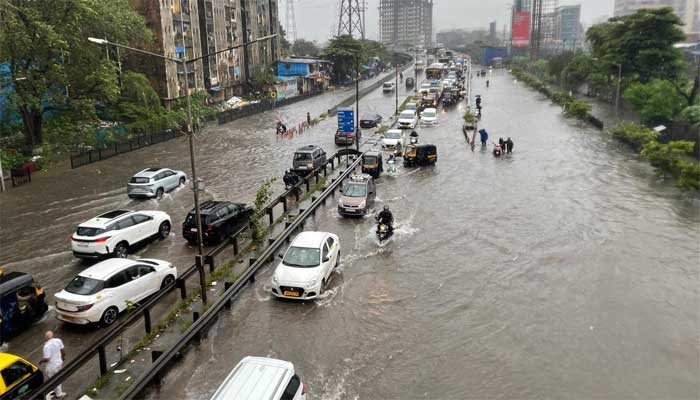
India’s weather is becoming increasingly difficult to predict. From record-breaking heatwaves and cloudbursts to flash floods, prolonged droughts and unseasonal rainfall, the country has witnessed a surge in extreme weather events over the past decade.
As cities struggle with flooding and farmers battle erratic monsoons, a pressing question is emerging: Is climate change rewriting India’s weather map?
Scientists say the answer is increasingly yes.
A New Weather Reality
For decades, India relied on relatively predictable seasonal patterns. The southwest monsoon arrived around the same time each year, winters remained cool across northern India, and summers, though harsh, followed familiar cycles.
That predictability is fading.
In recent years, the country has experienced devastating heatwaves in northern and central India, unprecedented rainfall in cities like Delhi, Mumbai and Bengaluru, glacial floods in the Himalayas, and cyclones forming more frequently over the Arabian Sea.
The result is a weather system that is becoming more volatile, leaving governments, farmers and urban planners struggling to adapt.
Climate Change Is Fueling Extremes
Global warming is not necessarily creating more weather events—it is making many of them more intense.
Rising temperatures allow the atmosphere to hold more moisture, increasing the likelihood of short-duration but extremely heavy rainfall. This explains why many Indian cities now witness a month’s worth of rain falling within a few hours, overwhelming drainage systems and causing widespread flooding.
At the same time, higher temperatures are making heatwaves longer, hotter and more frequent. Scientists warn that parts of India are approaching dangerous levels of heat stress, particularly in densely populated urban areas.
The Monsoon Is Becoming Less Predictable
India’s economy, agriculture and water security depend heavily on the monsoon. Yet climate experts say the rainy season is becoming increasingly erratic.
Instead of steady rainfall spread over several weeks, many regions are witnessing long dry spells interrupted by intense cloudbursts. This uneven distribution damages crops, reduces groundwater recharge and increases the risk of floods.
Farmers, who depend on timely rainfall for sowing and harvesting, are among the worst affected.
Cities Are Paying the Price
Rapid urbanisation has magnified the impact of extreme weather.
Wetlands have disappeared, natural drainage channels have been encroached upon, and concrete infrastructure prevents rainwater from being absorbed into the ground. As a result, heavy rainfall that once drained naturally now leads to severe waterlogging, traffic chaos and infrastructure failures.
Recent flooding in Delhi-NCR, Mumbai, Chennai and Bengaluru highlights how climate change and poor urban planning can combine to create major disasters.
The Himalayan Challenge
The Himalayas are warming faster than many other regions. Melting glaciers, unstable mountain slopes and changing snowfall patterns have increased the risk of landslides, glacial lake outburst floods and flash floods in states such as Himachal Pradesh, Uttarakhand and Sikkim.
These changes threaten not only local communities but also India’s long-term water security, as many of the country’s major rivers originate in the Himalayan region.
Can India Adapt?
Experts believe that while climate change cannot be stopped overnight, its impacts can be reduced through better planning and preparedness.
Improving weather forecasting, strengthening early warning systems, protecting forests and wetlands, investing in climate-resilient infrastructure, adopting sustainable farming practices and reducing greenhouse gas emissions will all play a crucial role.
Cities also need smarter urban planning, including better drainage systems, flood-resilient infrastructure and the preservation of natural water bodies.
The Road Ahead
Extreme weather is no longer an occasional anomaly—it is becoming India’s new normal.
As global temperatures continue to rise, the country’s weather patterns are expected to grow even more unpredictable. The challenge is no longer simply understanding climate change but learning how to live with it while reducing its worst impacts.
Whether it’s scorching heat, unprecedented rainfall or powerful cyclones, India’s weather map is evolving. The question is no longer if climate change is influencing it, but how quickly the country can adapt to a future where extreme weather is becoming the rule rather than the exception.
Comments are closed.