
India’s reliance on fossil fuels poses growing energy security challenge, says CEEW

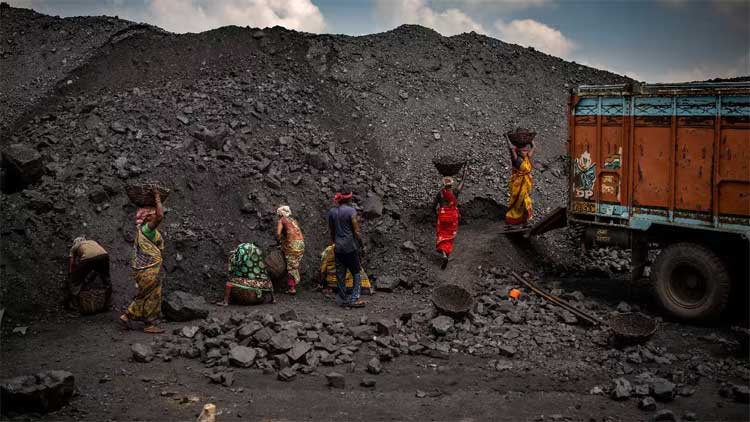
India’s heavy reliance on fossil fuels has evolved into a wider energy security challenge, exposing the country not only to import dependence but also to risks related to supply chains, storage capacity, fuel affordability and strategic autonomy, according to a study released on Wednesday by the Council on Energy, Environment and Water (CEEW).
The report, Securing India’s Energy Future: Assessing Fossil Fuel Risks through Accessibility, Reliability, and Affordability, found that India imported 88% of its crude oil, nearly 48% of its natural gas and about 26% of its coal in 2024. Fossil fuels accounted for more than 28% of the country’s total import bill in 2024-25.
A key concern highlighted by the study is India’s dependence on a limited number of suppliers. Although the country sources crude oil from around 40 nations, more than 85% of imports come from just six countries, including Russia and several West Asian producers, leaving India vulnerable to geopolitical tensions and supply disruptions.
The report also points to the country’s limited emergency reserves. India’s strategic petroleum reserves can cover only nine to 10 days of net crude oil imports, supplemented by roughly 64 days of refinery stocks. This falls well short of countries such as Japan and South Korea, which maintain reserves exceeding 200 days.
“The next phase of India’s energy security must move beyond securing fossil fuels to a clear transition plan,” said Hemant Mallya, Fellow at CEEW. He warned that disruptions in crude oil, LNG, LPG, coal supplies or critical maritime routes could quickly impact household fuel costs, transport expenses, fertiliser subsidies, industrial competitiveness and inflation.
The study argues that a strategic shift towards clean energy could serve as India’s long-term security hedge by reducing exposure to imported fossil fuels.
It identifies LPG as a particularly significant but often overlooked vulnerability. More than 330 million Indian households depend on LPG for cooking, yet nearly 95% of the country’s supply is linked directly or indirectly to imports.
Natural gas affordability is another emerging concern. According to the report, if the share of imported gas in city gas distribution networks rises from 15% to 50%, CNG prices could increase by 15-17% during periods of elevated global energy prices.
The report also flags India’s continued dependence on imported coking coal—especially from Australia—as a strategic risk for the domestic steel industry.
To strengthen energy security, CEEW recommends accelerating renewable energy deployment, expanding electrification, boosting domestic clean-energy manufacturing and creating larger strategic reserves for oil, gas and LPG. It also calls for faster adoption of electric vehicles where commercially viable, promotion of electric cooking solutions and the development of a national refinery transition plan to prepare for a cleaner energy future.
According to the report, reducing dependence on imported fossil fuels will be critical not only for meeting climate goals but also for enhancing India’s economic resilience and long-term strategic security.
Comments are closed.