
Langar: A Timeless Sikh Tradition That Offers a Blueprint for a More Compassionate World

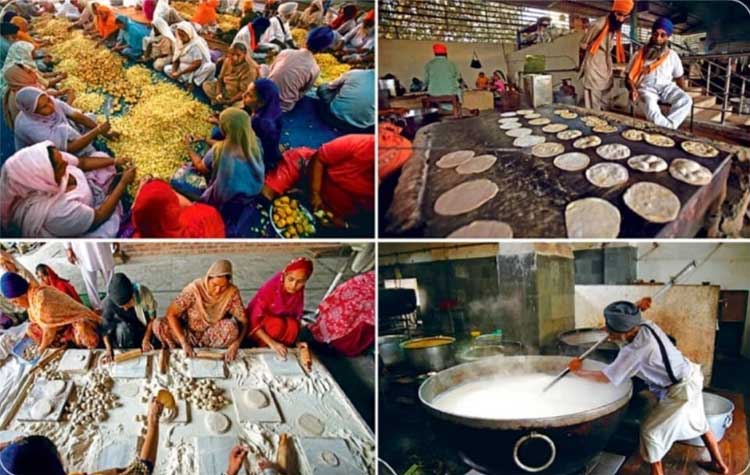
As the world confronts widening inequality, social fragmentation, mental health challenges and recurring humanitarian crises, the need for inclusive and sustainable models of community welfare has never been greater. While governments continue to expand social welfare programmes, one centuries-old tradition has consistently demonstrated the transformative power of compassion, equality and collective responsibility—the Sikh institution of Langar.
Founded more than five centuries ago by Guru Nanak Dev Ji, Langar was a revolutionary social reform that challenged the deeply entrenched barriers of caste, class and social hierarchy. Through the concept of pangat, Guru Nanak encouraged people from every religion, caste, gender and economic background to sit together and share the same meal. It was not merely a community kitchen but a living expression of human dignity and equality. Successive Sikh Gurus strengthened this tradition, making it one of the defining pillars of Sikh philosophy.
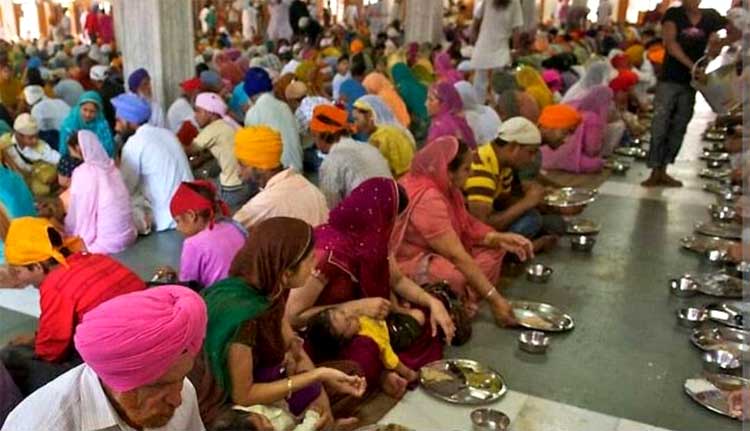
One of the most inspiring examples of this spirit can be seen at Gurudwara Bangla Sahib in New Delhi, where thousands of people are served free meals every day without discrimination. The shrine commemorates Guru Har Krishan Sahib Ji, the eighth Sikh Guru, whose life exemplified selfless service. During the devastating smallpox and cholera epidemic that struck Delhi in 1664, the young Guru dedicated himself to caring for the sick, ultimately sacrificing his own life in service to humanity. The uninterrupted Langar at Bangla Sahib continues to embody his message of compassion and selfless giving.
In today’s world, the relevance of Langar is greater than ever. Despite remarkable economic progress, millions continue to face hunger, unemployment and poverty. Langar addresses not only the problem of food insecurity but also the issue of dignity. Unlike conventional charity, which often creates a distinction between donor and beneficiary, Langar places everyone on equal footing. Every individual shares the same meal while sitting side by side, transforming the simple act of eating into a powerful affirmation of equality and mutual respect.
The institution also serves as a remarkable force for social harmony. In societies increasingly divided by religion, caste, ethnicity and ideology, Langar creates a space where social identities fade and shared humanity takes precedence. Such experiences foster empathy, trust and mutual understanding—qualities that are indispensable for preserving social cohesion in diverse societies like India.
Equally important is Langar’s alignment with the constitutional values of justice, equality and fraternity. These principles achieve their fullest meaning when translated into everyday practice, and Langar offers a living example of how constitutional ideals can be experienced rather than merely celebrated.
Its contribution extends beyond physical nourishment to mental and emotional well-being. At a time when loneliness and social isolation have emerged as major public health concerns, Gurdwaras provide welcoming spaces where people experience acceptance, companionship and a sense of belonging. The collective preparation, serving and sharing of meals strengthen community bonds while promoting emotional resilience.
The humanitarian significance of Langar was especially evident during the COVID-19 pandemic. Sikh organisations across India and around the world mobilised volunteers to provide food, oxygen, medicines and other essential supplies to those affected by the crisis. Similar efforts have supported communities during floods, earthquakes and other disasters, demonstrating how organised volunteerism can effectively complement government relief efforts.
At the heart of this tradition lies the principle of seva—selfless service. Every day, students, professionals, homemakers, senior citizens and children volunteer their time to cook, clean and serve meals without seeking recognition or reward. This culture of volunteerism strengthens civic responsibility and reminds society that resilient communities are built not only through public policy but also through active citizen participation.
The significance of Langar extends far beyond India’s borders. Long before concepts such as sustainable development, food security and inclusive societies entered global policy discussions, the Sikh community had already been practising these ideals through Langar. Today, it stands as one of India’s most enduring contributions to humanitarian values and community-led social welfare.

More than five centuries after its inception, Langar remains far more than a religious tradition. It is a timeless model of equality, compassion, resilience and collective responsibility. In a world increasingly challenged by inequality, intolerance and social division, the enduring message of Langar is both simple and profound: when people come together to serve one another without discrimination, they nourish not only the body but also the values that sustain a just, compassionate and harmonious society.
Comments are closed.