
NATO Commander To Warn Russia Of Alliance’s Ability To Repel Any Attack

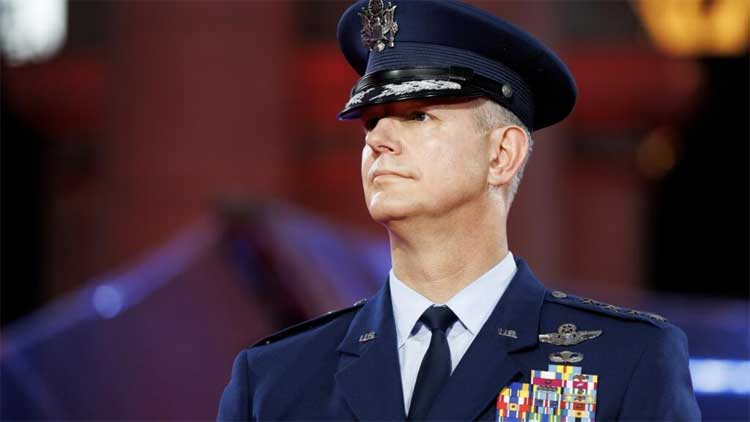
NATO’s top military commander is expected to deliver a warning to Russia on Monday, outlining the alliance’s ability to deter and defeat any potential attack amid growing concerns over Moscow’s activities.
US General Alexus Grynkewich, NATO’s Supreme Allied Commander Europe, will present his “theory of victory” at a security conference in Warsaw, NATO officials have said.
The address comes as the alliance seeks to send a strong message to Moscow over what Western officials describe as a campaign of “hybrid” attacks, including sabotage and interference targeting countries supporting Ukraine in its war against Russia.
Concerns have intensified in recent months following a series of incidents, including the discovery of an explosive-laden drone at a German airport. Western officials have warned that Russia’s alleged hybrid operations are becoming increasingly reckless and could result in significant casualties.
NATO Outlines Its Strategy To Deter Russia
Col. Martin O’Donnell, a spokesman for Grynkewich, said the commander’s theory of victory centres on preserving NATO’s military advantage and implementing the alliance’s existing deterrence and defence plans.
“Given the unsettled and complex global security environment, we need to set conditions now to deter aggression and, if necessary, win if attacked,” O’Donnell said last week, explaining that the framework is designed to prepare the alliance for such a scenario.
NATO, established after World War II to counter the Soviet Union, traditionally keeps its military plans for responding to a potential Russian attack closely guarded.
Grynkewich’s address is not expected to reveal significant new details about the alliance’s defence strategy. Instead, it is intended to signal NATO’s preparedness to Moscow while reassuring member states along the alliance’s eastern flank.
NATO maintains that it is a defensive alliance and has no intention of attacking Russia.
Concerns Grow Over Russia’s ‘Hybrid’ Operations
Western officials have accused Moscow of intensifying hybrid operations as Russian forces face continued challenges on the battlefield in Ukraine. Such activities operate below the threshold of conventional armed conflict and can include sabotage, interference and other forms of disruption.
NATO has faced difficulties in developing an effective response to incidents in this grey zone, which fall short of an openly declared military confrontation but can still threaten the security of member states.
The alliance’s primary objective remains deterring a Russian military invasion while supporting Ukraine in its defence against Moscow’s forces.
NATO Secretary General Mark Rutte has urged member countries to remain composed while continuing their support for Kyiv.
“We should not be naive… about Russia, but they know we are stronger,” Rutte said last month.
Uncertainty Over US Military Presence In Europe
The growing security concerns come as European allies face uncertainty over the future of the US military presence on the continent.
The Pentagon is reviewing American force deployments in Europe, raising concerns among NATO members about possible reductions in US troop numbers. The outcome of the review is expected to be announced towards the end of the year.
European countries have already begun strengthening their military capabilities amid questions over the long-term reliability of US security commitments under President Donald Trump.
Against this backdrop, Grynkewich’s planned address is expected to underline NATO’s readiness to respond to potential aggression while reinforcing its deterrence posture at a time of heightened tensions with Russia.
Comments are closed.