
Two decades later, The Devil Wears Prada 2 proves some sequels are worth the wait

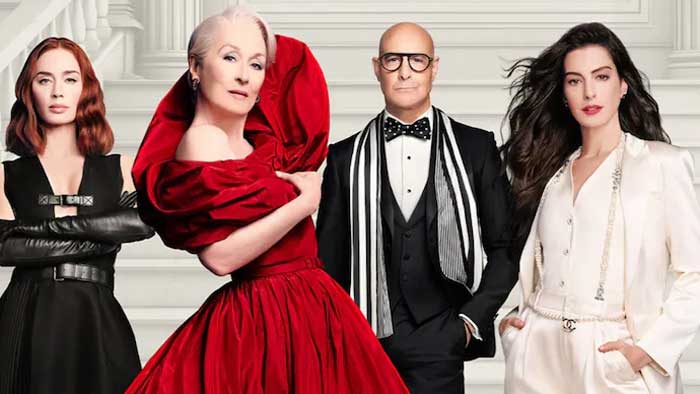
Nearly two decades after The Devil Wears Prada became a defining pop-culture phenomenon, its sequel arrives with a challenge few follow-up films manage to overcome: justifying its own existence.
Sequels often rely on nostalgia while offering little that feels fresh or relevant. But The Devil Wears Prada 2, released on May 1 this year, largely avoids that trap. Reuniting the original cast — Meryl Streep, Anne Hathaway, Stanley Tucci and Emily Blunt — the film revisits familiar characters while shifting its focus firmly toward the present.
Rather than merely recreating iconic moments from the original, the sequel reflects on how media, workplaces and leadership styles have evolved over the last 20 years.
At the centre of the story is Andy Sachs, now an established journalist, whose career success is abruptly interrupted when she and her colleagues learn they have been laid off. The scene lands with particular resonance in a post-pandemic world shaped by layoffs, shrinking newsrooms and workplace uncertainty.
The film’s emotional core lies in its understanding of how dramatically the media landscape has changed since 2006.
Runway magazine — once the glamorous heartbeat of fashion publishing under Miranda Priestly — now struggles to survive in an era driven by algorithms, clicks and fleeting social-media attention. Print prestige has faded. Elaborate cover shoots and carefully curated stories matter less than engagement metrics and advertiser influence.
The film captures a modern media reality where audiences scroll past digital covers in seconds, and success is measured less by editorial impact than by views and online traction. Survival increasingly depends on keeping powerful brands and advertisers satisfied.
Yet the sequel also highlights another shift: workplace culture itself.
Miranda Priestly, the famously intimidating editor-in-chief played by Streep, no longer commands the same unchecked authority she once wielded. The toxic boss archetype that once seemed untouchable now collides with modern HR policies, accountability and changing expectations around leadership.
Still, beneath all the industry changes, some themes remain constant — ambition, reinvention and the desire to tell meaningful stories.
The film is not flawless, nor does it try too hard to replicate the magic of the original. Instead, it acknowledges the passage of time and explores what happened in the years between, allowing its characters and its world to evolve naturally.
That restraint may ultimately be what makes The Devil Wears Prada 2 feel less like a commercial cash-in and more like a sequel with something genuine to say.
Comments are closed.