
‘We are not terrorists’: What’s behind the deadly protests in Pakistan-occupied Kashmir?

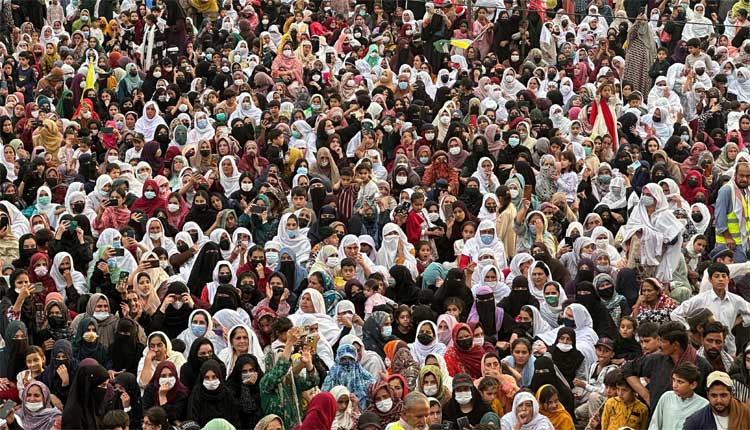
Doctors in Pakistan-occupied Kashmir (PoK) say they are struggling to cope with a surge in gunshot injuries as deadly protests against the regional administration continue, with the death toll climbing amid allegations of excessive use of force.
A doctor in Rawalakot, identified as Dr Anwar to protect his identity, told the BBC he has treated 15-20 gunshot victims in the past week, while his makeshift clinic has handled around 50-60 critically injured patients despite having only basic medical supplies and a single treatment bed.
“We can provide first aid and stop bleeding, but patients with serious chest, head or abdominal injuries need advanced hospitals,” he said, warning that even well-equipped medical facilities would be overwhelmed by the influx of casualties.
The violence erupted after clashes between protesters and security personnel during the first phase of elections to the so-called legislative assembly in PoK on July 27. At least 14 activists of the banned Joint Awami Action Committee (JAAC) were killed that day, while JAAC claims around 30 people have died overall. India says more than 40 people have been killed in the region since June.
The JAAC has been protesting over 12 reserved seats in the regional assembly, alleging they are manipulated by Pakistan’s establishment to install a government of its choice. The movement originally began over inflation, high electricity tariffs and governance issues before expanding into broader political demands.
Several injured protesters told the BBC they were avoiding government hospitals for fear of arrest or further violence, a claim rejected by the authorities.
Families of those killed insisted the demonstrators were peacefully demanding basic rights.
“We only asked for affordable flour, electricity and our rights. Instead, our brothers are being killed,” said one protester’s friend.
Another grieving mother said her son believed standing up for justice was worth the risk, while relatives of other victims described the crackdown as unprecedented.
Pakistani authorities, however, rejected allegations of indiscriminate firing. Police claimed armed individuals linked to the banned JAAC opened fire on security personnel after being stopped from entering Rawalakot, injuring two policemen. Officials also accused JAAC supporters of spreading misinformation online and displayed weapons they said had been seized from the group.
The regional government maintains security forces acted only against individuals who attacked law enforcement, threatened public safety or obstructed official duties.
The assembly election, originally scheduled for a single phase on July 27, was split into three rounds because of security concerns. The second phase has concluded, while the final round is due on August 10.
India has sharply criticised Pakistan’s handling of the unrest. External Affairs Ministry spokesperson Randhir Jaiswal accused Islamabad of using “ruthless force” against peaceful civilians in Pakistan-occupied Jammu and Kashmir and urged the international community to hold Pakistan accountable for alleged human rights abuses in the region.
Comments are closed.