
WHO warns heart disease is the leading global cause of death. Here’s how to lower your risk

Cardiovascular diseases (CVDs) remain the leading cause of death worldwide, claiming an estimated 19.8 million lives in 2022—around 32% of all global deaths, according to the World Health Organization (WHO). About 85% of these deaths were caused by heart attacks and strokes, while more than three-quarters occurred in low- and middle-income countries.
The WHO also reports that cardiovascular diseases accounted for 38% of the 18 million premature deaths (before age 70) from noncommunicable diseases in 2021.
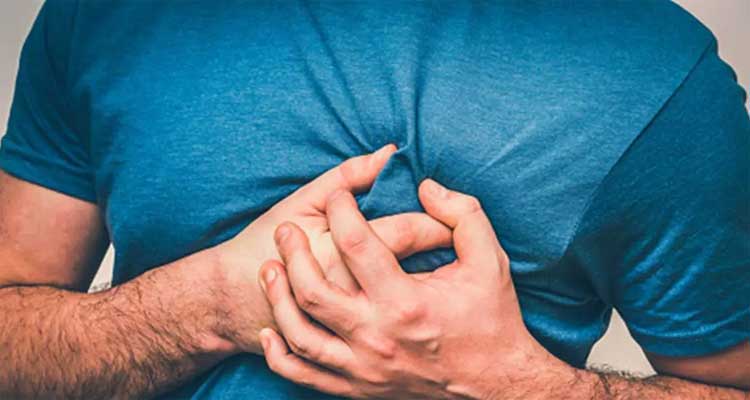
Heart attack symptoms
The WHO says a heart attack may present with:
- Pain or discomfort in the centre of the chest
- Pain spreading to the arms, left shoulder, elbows, jaw or back
- Shortness of breath
- Nausea or vomiting
- Light-headedness or fainting
- Cold sweats or pale skin
Women are more likely than men to experience symptoms such as shortness of breath, nausea, vomiting, and pain in the back or jaw.
Stroke symptoms
The most common warning sign of a stroke is sudden weakness of the face, arm or leg, usually on one side of the body.
Other symptoms include:
- Sudden numbness on one side of the body
- Confusion or difficulty speaking or understanding speech
- Trouble seeing in one or both eyes
- Difficulty walking, dizziness or loss of balance
- A sudden severe headache with no known cause
- Fainting or loss of consciousness
The WHO advises anyone experiencing these symptoms to seek emergency medical care immediately.
Symptoms of rheumatic heart disease
People with rheumatic heart disease may experience:
- Shortness of breath
- Fatigue
- Irregular heartbeat
- Chest pain
- Fainting
Rheumatic fever can also cause fever, swollen joints, nausea, stomach cramps and vomiting.
How to reduce the risk
According to the WHO, most cardiovascular diseases are preventable through healthy lifestyle choices and early medical intervention.
Key preventive measures include:
- Quit all forms of tobacco
- Reduce salt intake
- Eat more fruits and vegetables
- Exercise regularly
- Avoid harmful alcohol consumption
The WHO also recommends regular screening for high blood pressure, diabetes and high cholesterol, along with timely access to essential medicines and specialised treatments when required.
Comments are closed.